১ আশ্বিন ১৪৩৩


Iran Seeks Release of Over $100 Billion in Frozen Assets Amid Talks With U.S.
18 June 2026 19:06 PM
NEWS DESK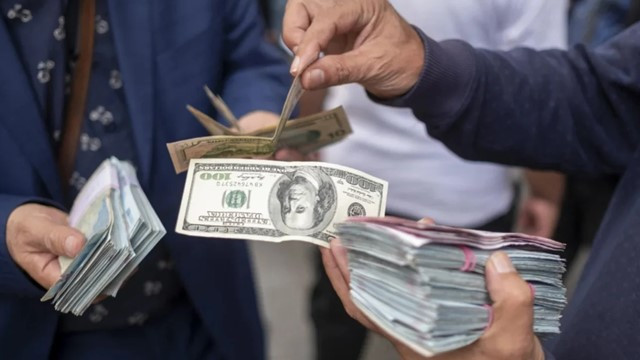
Iran is reportedly seeking the release of more than $100 billion in frozen funds held abroad as a key demand in ongoing negotiations with the United States, according to a report by The Wall Street Journal.
The funds, spread across multiple countries including China, Iraq, Qatar, South Korea, India, and others, are largely linked to decades of restricted oil and energy trade under U.S. sanctions.
Iranian officials are said to be pushing for the gradual release of at least $24 billion as part of a broader economic recovery strategy aimed at reviving the country’s heavily strained economy, which has been impacted by sanctions, inflation, and prolonged financial isolation.
The issue has gained urgency following initial ceasefire and diplomatic agreements between Washington and Tehran, which could eventually lead to sanctions relief, the resumption of Iranian oil exports, and the unlocking of frozen overseas assets.
According to the report, the largest share of Iran’s blocked funds is believed to be in China, estimated between $20 billion and $50 billion, accumulated through years of unpaid oil sales. Despite sanctions, China remains Iran’s largest energy buyer.
Because most global energy transactions are conducted through dollar-based financial systems, much of Iran’s export revenue has been trapped in foreign banking systems and cannot be freely repatriated to Tehran.
Smaller portions of funds are also held in countries such as India, Iraq, South Korea, Japan, Oman, and Luxembourg. In many cases, the money is held in local currencies and restricted to limited uses such as humanitarian purchases, including food and medicine.
Iraq alone is believed to hold between $10 billion and $15 billion owed to Iran for electricity and natural gas imports. However, U.S. sanctions have restricted Baghdad’s ability to fully transfer these payments.
South Korea and India each reportedly hold around $7 billion in Iranian oil revenues frozen since the reimposition of U.S. sanctions in 2018. Some of these funds were later partially redirected under humanitarian arrangements.
In 2023, about $6 billion previously held in South Korea was transferred to Qatar as part of a prisoner exchange deal between the United States and Iran, though its use was later subject to stricter conditions following regional security developments.
Recent reports also suggest that Iran initially sought the release of $6 billion to $12 billion in early negotiations, while U.S. negotiators have proposed a phased release tied to humanitarian spending and compliance guarantees.
The broader diplomatic framework under discussion reportedly includes provisions for sanctions relief, renewed oil exports, and a structured mechanism for managing Iran’s nuclear program and maritime security in strategic waterways such as the Strait of Hormuz.
Analysts say that if Iran succeeds in recovering a significant portion of its frozen assets, it could provide a major boost to its economy, helping stabilize its currency, finance imports, and support economic recovery efforts.
However, the negotiations remain complex, with frozen assets now emerging as one of the central bargaining chips in U.S.–Iran diplomatic talks.