৯ আশ্বিন ১৪৩৩



Keiko Fujimori Wins Peru’s Presidential Election After Tight Race
26 June 2026 04:06 AM
NEWS DESK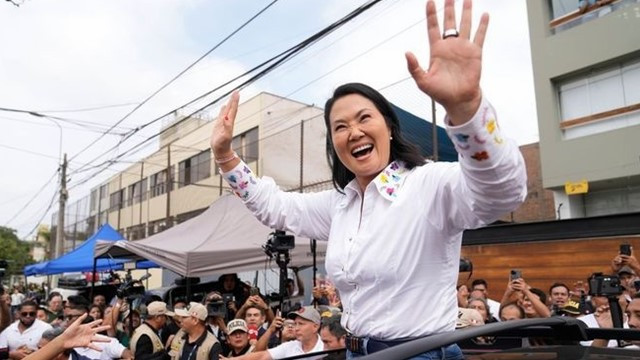
Right-wing politician Keiko Fujimori has secured victory in Peru’s presidential election after a closely contested race, becoming the country’s first elected female president.
According to election authorities, nearly 99.8 percent of ballots had been counted 17 days after voting, with Fujimori receiving 50.1 percent of the vote, narrowly defeating left-wing coalition candidate Roberto Sánchez, who secured 49.8 percent.
Fujimori’s lead of 43,386 votes exceeded the number of remaining uncounted ballots, estimated at around 40,213, making her victory mathematically irreversible.
The result was reported by Spanish newspaper El País. The win marks Fujimori’s fourth attempt at the presidency after three previous defeats. The 51-year-old politician is the daughter of former Peruvian President Alberto Fujimori.
As in several recent Peruvian elections, the margin of victory was less than one percentage point. Analysts say votes from Peruvians living abroad, particularly in the United States, played a significant role in Fujimori’s narrow victory.
However, Sánchez has refused to recognize the result, alleging electoral irregularities and claiming the election process was flawed. His supporters have called for renewed protests, raising concerns over Peru’s already fragile political institutions and social stability.
Fujimori campaigned under the slogan “The return of Fujimori, the return of order,” focusing heavily on public security and crime reduction. She promised tougher measures, including deploying the military to combat extortion and rising violence, deporting criminal migrants, and introducing mandatory labor programs for prisoners to support their own expenses.
During the campaign, she also highlighted her father’s anti-terrorism policies of the 1990s as a model for fighting today’s crime. However, Alberto Fujimori’s legacy remains deeply divisive in Peru. While he is credited by supporters with controlling inflation and defeating militant groups, his government has been widely criticized for human rights abuses, corruption, and forced sterilization campaigns targeting indigenous women.
Fujimori’s victory means Peru is set to have its ninth president in just over a decade, reflecting the country’s prolonged political instability.
Although her party, Popular Force, remains the largest single force in parliament, Fujimori will need to build alliances with other political groups to pass major reforms.
Her biggest challenge will be governing a deeply divided country, winning the confidence of rural communities that largely voted against her, and addressing opposition from left-wing parties and strong anti-Fujimori social movements.