২৫ ভাদ্র ১৪৩৩



US Plans Military and Commercial Proposals for Bangladesh’s New Government
12 February 2026 23:02 PM
NEWS DESK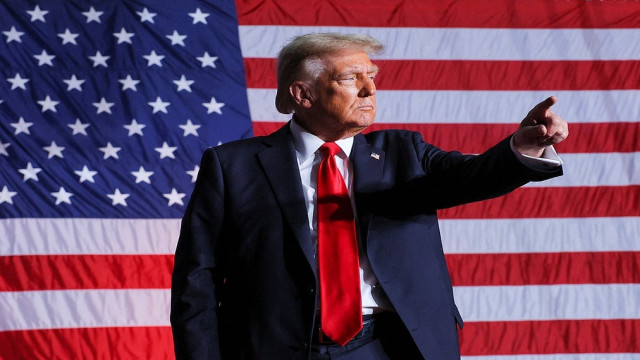
The United States is planning to present a range of military and commercial proposals to Bangladesh’s newly elected government following the 13th National Parliamentary elections, aiming to counter China’s expanding influence in South Asia.
Washington intends to offer options for defense cooperation, including U.S. and allied military systems, as alternatives to Chinese equipment, according to the U.S. ambassador in Dhaka.
The elections come after Indian-aligned Prime Minister Sheikh Hasina was ousted in a popular uprising led by Gen-Z in August 2024. Following her removal, Hasina fled to Delhi, weakening Indian influence in Dhaka and providing China with an opportunity to expand its footprint in Bangladesh.
Recently, China signed a defense agreement with Bangladesh to build a drone factory near the Indian border, raising concerns among Western diplomats. China is also reportedly in discussions with Bangladesh and Pakistan regarding the procurement of JF-17 Thunder fighter jets.
In an interview on Tuesday, Ambassador Brent T. Christensen said the U.S. is concerned about China’s growing influence in South Asia. “We are committed to working closely with the government of Bangladesh to clearly highlight the risks associated with certain engagements with China,” he said.
Christensen added that the U.S. provides various options to help meet Bangladesh’s defense needs, including U.S. military equipment and allied systems, which could serve as alternatives to Chinese systems, though he did not provide specifics.
China’s Foreign Ministry responded, saying that as strategic partners, China and Bangladesh cooperate politically, economically, and in security matters in ways beneficial to both countries. The ministry emphasized that this cooperation is not directed against any third party and will not tolerate outside interference.
Christensen further said the Trump administration wants to see strong Bangladesh–India relations to support regional stability. Following Hasina’s departure, ties between Dhaka and Delhi have weakened, affecting visa services and even cricketing exchanges.
On the commercial front, Christensen noted that many U.S. companies are considering investment opportunities in Bangladesh but want the new government to send a clear signal that the country is open for business. Strengthening trade, economic, and security ties remains a priority for Washington.
While Chevron has operated in Bangladesh for decades, other U.S. companies have had limited presence due to high taxes and difficulties repatriating profits. Currently, global chains like Starbucks and McDonald’s have no outlets in the country.
Christensen emphasized that regardless of which government is elected, Washington will work with the new administration.
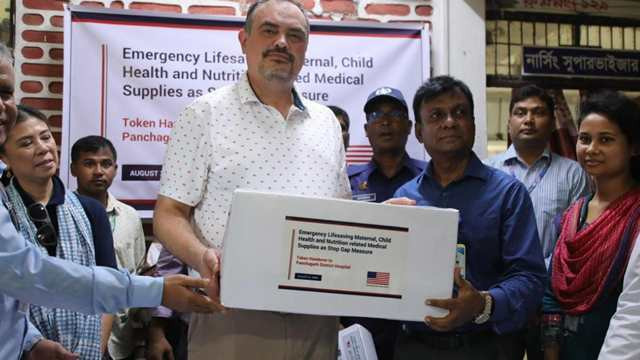
Regarding the 1.2 million Rohingya refugees in Bangladesh, the ambassador said the U.S. remains the largest donor for humanitarian activities and continues to support health programs in the country. He highlighted a recent $2 billion global funding framework signed with the UN to enhance the effectiveness of aid to countries like Bangladesh and urged other international donors to take on greater responsibility, noting that the U.S. cannot shoulder the burden alone.