১১ কার্তিক ১৪৩৩



Trump Administration Launches New Trade Probe Targeting Manufacturing in 16 Countries
13 March 2026 09:03 AM
NEWS DESK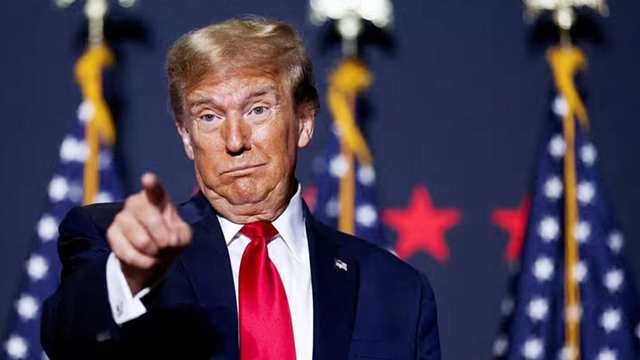
The administration of U.S. President Donald Trump has launched a new trade investigation into the manufacturing sectors of 16 countries, including Bangladesh, following a ruling by the U.S. Supreme Court that struck down his earlier tariff measures.
According to a report by The Guardian, the court ruled in February that the tariffs imposed by Trump under the justification of an economic emergency were not legally valid. The decision potentially wiped out hundreds of billions of dollars in expected government revenue.
In response, Trump and his officials have signaled that they plan to use alternative legal mechanisms to reintroduce tariffs. The administration is now initiating an investigation under Section 301 of the Trade Act of 1974, which could ultimately lead to new import duties.
U.S. Trade Representative Jamieson Greer told reporters during a phone briefing on Wednesday that it was too early to comment on the possible outcome of the investigation.
“The policy remains the same,” Greer said. “However, the tools used may change depending on court rulings and other developments.” He emphasized that the primary objective of the policy is to protect American jobs.
If the process results in new tariffs, it could revive tensions in the global economy similar to those seen last year when Trump’s earlier tariff policies disrupted international trade. Those tariffs, which were later scrapped, had opened the door for new structural trade arrangements between the United States and several of its trading partners.
It remains unclear how any new tariffs might affect those agreements. Greer noted that the existing trade frameworks stand on their own and are separate from the new investigation.
The new trade policy initiative comes at a time of heightened geopolitical tensions surrounding Iran and as the United States approaches its midterm elections. Democratic candidates campaigning against pro-Trump Republicans have argued that, following the Supreme Court ruling, the government should return the money collected from tariffs to the public.
Greer said the investigation will examine whether foreign manufacturing sectors have excess production capacity and whether foreign governments are providing subsidies or other forms of support that create unfair advantages over American companies.
The countries and economic entities under scrutiny include China, the European Union, Singapore, Switzerland, Norway, Indonesia, Malaysia, Cambodia, Thailand, South Korea, Vietnam, Taiwan, Bangladesh, Mexico, Japan and India.
U.S. officials will also examine whether these economies maintain persistent trade surpluses with the United States and whether policies such as subsidies or wage suppression are giving them unfair trade advantages.
In addition, the administration is launching another investigation under Section 301 aimed at banning imports of goods produced through forced labor.
The administration faces time pressure to complete the probe. Earlier, under Section 122 of the Trade Act of 1974, the U.S. imposed a 10 percent tariff on foreign-made goods, but that measure will expire after 150 days, with the deadline set for July 24.
Trump had said he planned to raise that tariff to 15 percent, although the increase has not yet been implemented. Greer noted that the administration is working within the 150-day timeframe to quickly develop policy options and present them to the president.