৮ কার্তিক ১৪৩৩


U.S. Imposes Sanctions on Chinese Refinery Over Iranian Oil Purchases
26 April 2026 06:04 AM
NEWS DESK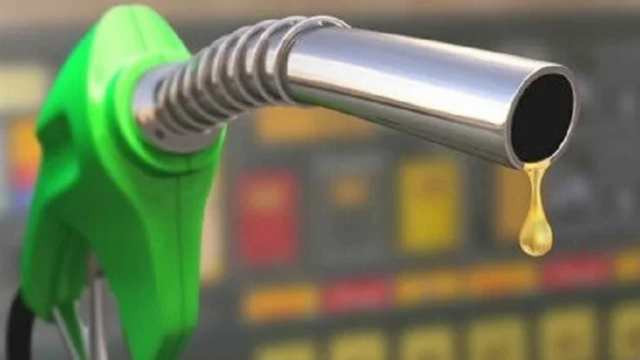
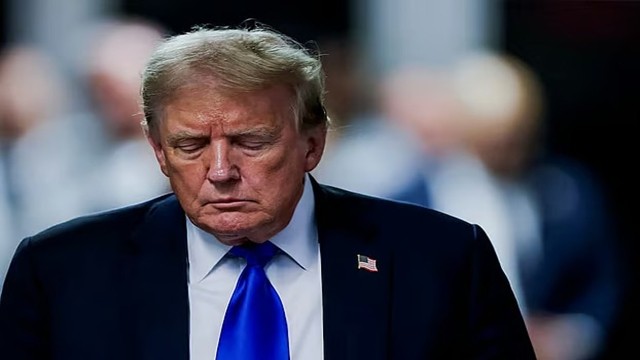
The administration of Donald Trump has imposed new sanctions on a Chinese oil refinery accused of purchasing billions of dollars’ worth of oil from Iran. The move comes as Washington and Tehran prepare for a second round of peace talks, adding fresh tension to already strained relations.
According to a report by Reuters, the sanctions target Hengli Petrochemical’s refinery in Dalian. The U.S. Department of the Treasury alleges that the company is one of the largest buyers of Iranian crude oil and petroleum products.
The Treasury’s Office of Foreign Assets Control (OFAC) also announced sanctions against nearly 40 shipping companies and vessels linked to Iran’s so-called “shadow fleet,” which is used to covertly transport oil.
While U.S. sanctions are expected to increase pressure on Iran’s oil exports, China remains the largest buyer. Data from analytics firm Kpler indicates that China accounts for more than 80% of Iran’s oil exports in 2025.
U.S. sanctions typically involve freezing any assets held within the United States and prohibiting American individuals or businesses from engaging in transactions with the targeted entities.
As a result, some large independent Chinese refineries have scaled back their purchases of Iranian oil. However, smaller “teapot” refineries appear less affected, as they rely less on the U.S. financial system.
Experts suggest that imposing sanctions on Chinese banks facilitating these transactions could have a more significant impact, as they play a key role in enabling oil trade.
Meanwhile, Scott Bessent stated that financial pressure on Iran will continue to intensify. He emphasized that the U.S. is working to disrupt the networks of ships, intermediaries, and buyers that Iran uses to sell oil on the global market.