১০ আশ্বিন ১৪৩৩



U.S. National Debt Surpasses $39 Trillion Amid Iran War Spending
22 March 2026 08:03 AM
NEWS DESK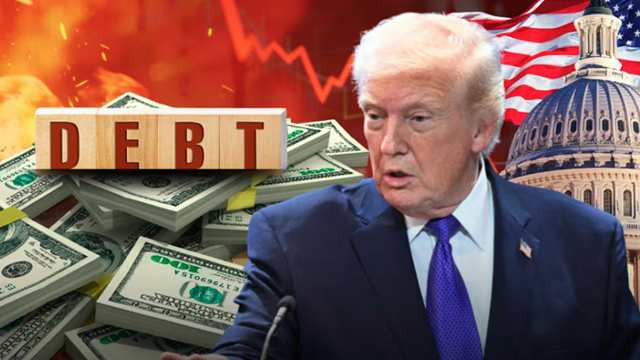
Just weeks into the conflict with Iran, the United States has crossed a historic milestone, with its national debt exceeding $39 trillion. The new data, released Wednesday, underscores a growing fiscal challenge for the Trump administration as the Iran war escalates.
According to an Associated Press report, the surge in debt reflects a combination of massive tax cuts, increased spending on stricter immigration enforcement, and substantial defense allocations.
President Donald Trump, who campaigned on promises to reduce the national debt, now faces the opposite trend. Official figures show that just five months ago, the debt stood at $38 trillion, and two months ago it was $37 trillion.
The Government Accountability Office has warned that the growing debt will increase borrowing costs for ordinary Americans, including mortgages and car loans. Reduced business investment could suppress wages, while the prices of essential goods and services are expected to rise sharply.
Michael Peterson, CEO of the Peter G. Peterson Foundation, said, “The current pace of debt accumulation is alarming. At this rate, the national debt could hit $40 trillion before the next election. Borrowing trillions without a plan is unsustainable and contrary to a healthy economy.”
The Iran conflict is placing further pressure on U.S. finances. Kevin Hassett reported that over $12 billion has already been spent on the war. The ultimate duration and total cost of the conflict remain uncertain.
Despite the growing debt, the White House claims that the federal deficit has decreased. Spokesperson Kush Desai stated that in Trump’s second term, the first-year deficit declined. Treasury Department data for fiscal year 2025 shows total spending of $7.01 trillion against revenues of $5.23 trillion, leaving a deficit of $1.78 trillion—$41 billion lower than the previous year.
Desai attributed the reduction to increased tax collection, a reduction in federal employees to the lowest level since 1966, and the elimination of fraud in welfare programs. He emphasized that these measures are expected to keep the U.S. debt-to-GDP ratio on a sustainable path.