১১ আশ্বিন ১৪৩৩



Deadly “White Plague” Tuberculosis Resurges in the United States
28 March 2026 05:03 AM
NEWS DESK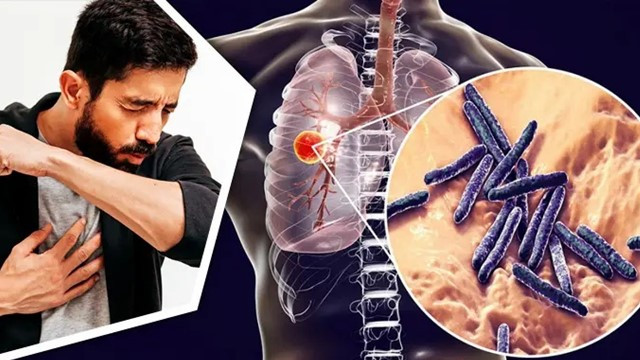
Tuberculosis (TB), historically known as the “White Plague” and one of humanity’s deadliest killers, has made a significant comeback in the United States. According to a report by the New York Post, TB infections in the country have been steadily increasing since 2020, regaining its position as the world’s top infectious disease.
Another U.S. news outlet, Vox, noted that in recent years, COVID-19 caused more deaths than TB. However, by 2023, tuberculosis had once again surpassed COVID-19 to become the leading global infectious threat. Researcher Priya Shetty from the University of California warned, “If we cannot reduce the global risk of tuberculosis, it will appear everywhere—even in places we consider safe.”
What Tuberculosis Is and Its Symptoms
Tuberculosis is primarily an airborne disease caused by the bacterium Mycobacterium tuberculosis. It spreads when an infected person coughs, sneezes, or speaks, releasing tiny droplets that can infect others. While TB primarily attacks the lungs, it can affect other parts of the body as well.
Common symptoms include:
-
Persistent cough
-
Chest pain
-
Coughing up blood or phlegm
-
Fever
-
Night sweats
-
Weight loss
-
Fatigue
People with weakened immune systems—such as those with diabetes or HIV/AIDS—and those living in crowded environments are at higher risk.
Rising Cases in the U.S.
In 2024, over 10,300 TB cases were reported in the United States, an 8% increase from 2023 and the highest number since 2011. Experts attribute the rise to increased post-pandemic travel and immigration, localized outbreaks in several states, and growing antibiotic resistance among TB bacteria.
Because TB symptoms can resemble those of the flu or RSV, diagnosis is often delayed. If untreated, TB can be fatal, but it is curable with antibiotics. Treatment typically lasts 6 to 9 months, and stopping medication prematurely can lead to drug-resistant TB strains.
Dr. Kohata Saito of Weill Cornell Medicine noted that long-term treatment often brings severe side effects, posing challenges for patients.
Prevention measures include the BCG vaccine, primarily used in high-risk regions, as well as mask usage, improved ventilation, and regular testing. Dr. Lucica Ditiu, Executive Director of Stop TB Partnership, emphasized, “No country in the world is TB-free. As long as we breathe, we are at risk.”