৯ কার্তিক ১৪৩৩



US Eases Sanctions on Venezuela to Allow Maduro’s Legal Defense Funding
27 April 2026 10:04 AM
NEWS DESK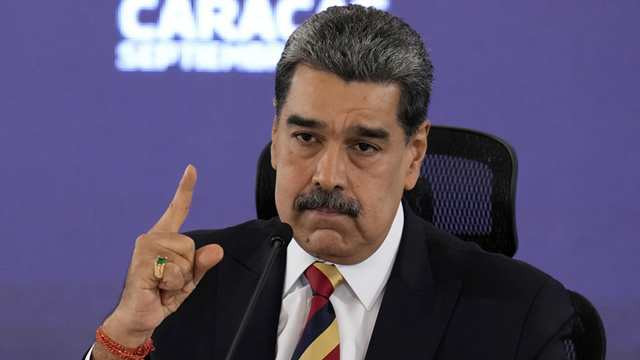
The United States has agreed to ease certain sanctions on Venezuela, allowing the country to cover legal expenses for its former president, Nicolás Maduro, who is currently facing trial in the United States.
Maduro has been in US custody since January, following an American operation, and is now standing trial in a federal court in New York City on drug trafficking charges.
In February, his lawyer Barry Pollack filed a motion before Manhattan-based US District Judge Alvin Hellerstein seeking dismissal of the case. The defense argued that restrictions preventing the Caracas government from paying legal fees violated Maduro’s constitutional right to choose his own counsel.
However, in a subsequent court filing, the US Department of Justice said sanctions would be modified to permit Venezuela to pay for defense attorneys, rendering the dismissal request “moot.”
The decision has reignited legal debate over Maduro’s status as a former head of state and the circumstances under which he was taken into US custody.
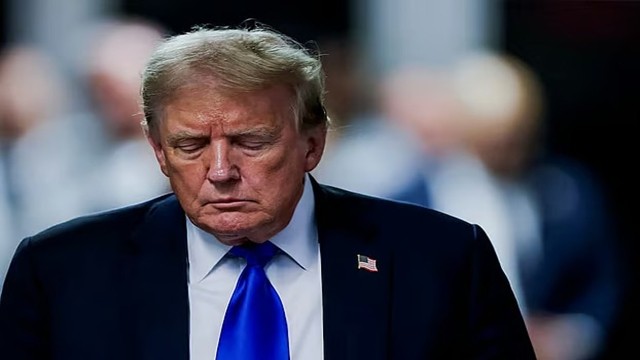
Critics argue that the transfer of Maduro and his wife, Cilia Flores, from Venezuela violated international law. Meanwhile, the administration of Donald Trump maintains that the operation was a lawful enforcement action, noting that Washington does not recognize Maduro as Venezuela’s legitimate leader following disputed elections.
Currently detained in Brooklyn, both Maduro and Flores have pleaded not guilty. Maduro has dismissed the charges, claiming they are a pretext for gaining control over Venezuela’s natural resources.
During a March 26 hearing, Judge Hellerstein did not indicate that he would dismiss the case but questioned whether preventing Venezuela from funding Maduro’s defense violated constitutional rights. He noted that all criminal defendants in the United States—regardless of citizenship—are entitled to legal representation.
Prosecutors countered that the sanctions were imposed in the interest of national security and that foreign policy falls under the executive branch, not the judiciary. They also argued that Maduro and Flores could retain legal counsel using personal funds.
Judge Hellerstein remarked that both defendants are already in US custody and no longer pose a national security threat, emphasizing that access to legal counsel remains a fundamental constitutional right.