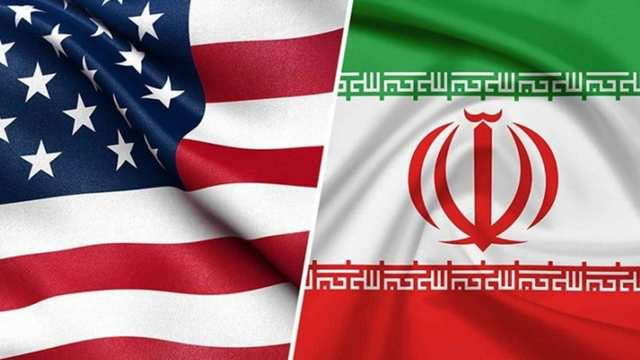
According to two U.S. officials and additional sources familiar with the talks, Iran may agree to relinquish its stockpile of enriched uranium as part of a deal. In exchange, Washington could return approximately $20 billion in previously frozen Iranian funds.
The conflict, which began on February 28, has been under a ceasefire since early April. Despite ongoing tensions, significant progress has reportedly been made this week, though key disagreements remain unresolved. A successful agreement could formally end the war.
Former President Donald Trump stated last Thursday that a second round of high-level talks between U.S. and Iranian representatives could take place by the end of this week. Sources suggest the meeting may be held in Islamabad, Pakistan, with mediation support from Pakistan, Egypt, and Turkey. The first round of talks was also held in Islamabad on April 11.
A central issue in the negotiations is Iran’s enriched uranium reserves. The U.S. is particularly concerned about nearly 2,000 kilograms stored underground, including about 450 kilograms enriched up to 60 percent purity. Washington aims to ensure these materials are no longer usable for weapons development.
Meanwhile, Iran is seeking financial relief. Early in the talks, the U.S. offered to release $6 billion for humanitarian purposes such as food and medicine. Iran countered with a demand for $27 billion. Discussions have since narrowed to a possible $20 billion settlement, though disagreements persist over how the funds would be used.
One U.S. official emphasized that the financial offer is just one component of broader negotiations. Another noted that Iran continues to demand sanctions relief and the ability to sell oil freely on global markets, while allegedly maintaining support for militant groups and its nuclear ambitions—conditions the U.S. finds unacceptable.
Washington had initially pushed for Iran to transfer all nuclear materials outside the country, but Tehran reject this proposal. Instead, Iran has offered to reduce the enrichment levels domestically.
A compromise under discussion would involve sending a portion of the highly enriched uranium to a third country, while diluting the remainder within Iran under international supervision.
A draft memorandum of understanding includes provisions to suspend Iran’s uranium enrichment program. The U.S. previously proposed a 20-year suspension, while Iran suggested five years. Mediators are now working to bridge this gap.
The agreement may also allow Iran to continue limited nuclear research for medical purposes, provided all facilities remain above ground. Existing underground sites would be decommissioned.
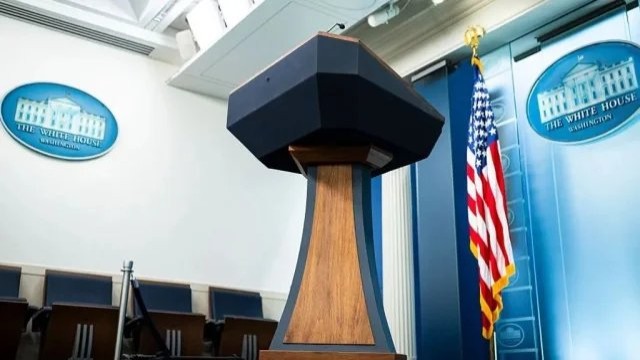
White House spokesperson Anna Kelly described the talks as “productive” but declined to provide details, cautioning against reliance on anonymous sources. Meanwhile, Republican Senator Lindsey Graham stated that Trump has spoken directly with Iranian officials and engaged in substantive negotiations during a recent phone call.
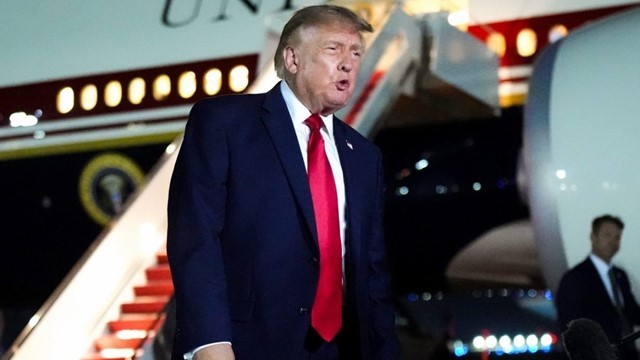
Trump told reporters that Iran has signaled willingness to commit to not developing nuclear weapons and may hand over all enriched uranium. “We are very close to a deal,” he said, warning that failure could lead to renewed conflict.
Further diplomatic efforts are expected to continue, including a meeting in Turkey involving mediators from Pakistan, Egypt, and Turkey, along with Saudi officials, aimed at advancing the agreement toward finalization.