১১ আশ্বিন ১৪৩৩



Modern Cars Becoming Major Sources of Personal Data Collection, Experts Warn
14 May 2026 22:05 PM
NEWS DESK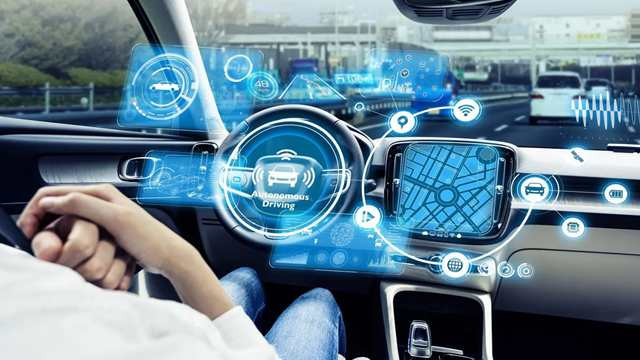
Modern vehicles are no longer just a means of transportation — they are increasingly becoming powerful tools for collecting drivers’ personal data.
Experts say today’s internet-connected cars are essentially “computers on wheels,” capable of constantly gathering information about where people go, how they drive, and even their facial expressions.
These vehicles can track location, speed, braking patterns, seatbelt usage, and many other driving behaviors on a regular basis. Some cars are also capable of collecting sensitive information such as a driver’s weight, age, ethnic background, and emotional reactions through in-car cameras and sensors.
Brookings Institution technology expert Darrell West said many people would be shocked to learn how much information their cars collect. According to him, the data gathered can be used to reconstruct a person’s daily life almost second by second.
Privacy advocates warn that the situation could become even more concerning as new regulations are introduced.
In the United States, upcoming safety requirements are expected to make infrared biometric cameras and driver behavior monitoring systems mandatory in new vehicles. The technology is intended to detect whether a driver is intoxicated, fatigued, or otherwise unfit to drive.
However, privacy specialists argue that there are still no clear rules governing how the massive amount of behavioral and health-related data collected through these systems will be used or protected.
In 2023, Mozilla Foundation reviewed the privacy policies of 25 automobile brands and found that none met its minimum privacy standards. Mozilla described modern cars as “the worst product category for privacy.”
According to the report, several car manufacturers reserve the right in their policies to collect information including users’ names, ages, financial details, weight, psychological tendencies, facial expressions, and even data related to health and sex life.
Kia Motors responded by saying it does not actually collect information about customers’ sexual activity or health conditions. The company stated that such terms were included only because they fall under California’s legal definition of “sensitive information.”
Experts say the growing network of sensors inside vehicles is the main driver behind this data collection. Components such as seats, steering wheels, dashboards, engines, and cameras can monitor nearly every aspect of a driver’s behavior.
Mozilla’s report also found that 19 out of the 25 car companies reviewed explicitly allowed themselves to sell user data.
Meanwhile, General Motors has faced allegations in the United States over the unauthorized sale of drivers’ location data, which was reportedly later used by insurance companies.
One driver told The New York Times that data broker LexisNexis had stored 130 pages of travel information covering six months of journeys made by him and his wife. He later saw his car insurance premium rise by 21 percent.
Researchers say a major data marketplace has now emerged involving automakers, data brokers, and insurance companies.
Consumer Federation of America researcher Michael DeLong said insurance companies are increasingly using large amounts of driver data to charge higher premiums and categorize customers into risk groups.
Automakers insist that they collect user data only with customer consent. However, critics argue that such consent is often buried inside lengthy and complicated privacy agreements that most people never read.
Experts say consumers can still take some steps to reduce data collection, including avoiding insurance “telematics” programs, adjusting vehicle privacy settings, and requesting that companies stop collecting or delete stored information.
Still, Jen Caltrider argues that users should not have to go through complicated processes simply to protect their privacy. She warns that the problem will continue to grow unless individuals gain full control over their personal data.