১১ আশ্বিন ১৪৩৩



Bangladesh Approves Padma Barrage Project With Two Hydropower Plants
14 May 2026 08:05 AM
NEWS DESK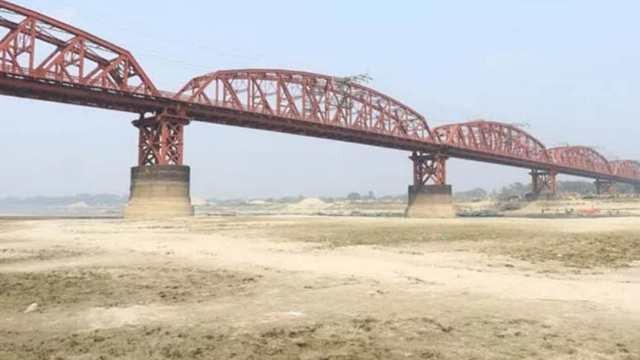
The government of Bangladesh has approved plans to construct two hydropower plants with a combined generation capacity of 113 megawatts under the proposed Padma Barrage Project.
Officials say the electricity generated from the plants will help improve irrigation systems and restore river flow in the country’s southwestern region.
According to project details, the two hydropower units will produce 76.4 megawatts and 36.6 megawatts of electricity respectively. In addition to supporting barrage operations, the generated power will also be supplied to the national grid.
Authorities expect the project to contribute around 0.45 percent to the national GDP and generate nearly Tk 8,000 crore in direct annual economic benefits once fully operational.
The barrage and power facilities will be constructed on the Padma River in Pangsā Upazila of Rajbari District. The 2.1-kilometer-long main barrage will include 78 spillways, 18 undersluices, two fish passes, a navigation lock, and guide embankments. The project is also expected to store approximately 2.9 billion cubic meters of water.
To restore the country’s major river systems, reduce salinity intrusion, expand irrigation coverage, and protect ecological balance, the government has adopted the “Padma Barrage (Phase One)” project at an estimated cost of Tk 34,497.25 crore.
The mega project received approval at a meeting of the Executive Committee of the National Economic Council (ECNEC) held today at the Cabinet Division conference room in the Bangladesh Secretariat. The meeting was chaired by Prime Minister Tarique Rahman.
Speaking to reporters after the meeting, Water Resources Minister Md. Shahiduddin Chowdhury Annie described the initiative as “extremely important for the nation,” saying nearly one-third of the country’s population — around 70 million people — would benefit from the project.
The project will be implemented by the Bangladesh Water Development Board under the Ministry of Water Resources, following recommendations from the Planning Commission. Implementation is scheduled from July 2026 to June 2033 with full government funding.
Officials estimate that the project will provide irrigation support to nearly 2.88 million hectares of agricultural land across the greater regions of Kushtia, Faridpur, Jashore, Khulna, Barishal, Pabna, and Rajshahi.
According to the project background report, the Padma-dependent southwestern and northwestern regions account for around 37 percent of Bangladesh’s land area and are home to nearly one-third of the country’s population.
The report notes that during the 1970s, India constructed the Farakka Barrage in West Bengal, diverting between 35,000 and 40,000 cusecs of water from the Padma-Ganges system to the Bhagirathi-Hooghly River during the dry season to maintain navigability at Kolkata Port.
As a result, dry-season water flow in Bangladesh’s section of the Padma River significantly declined, causing major rivers in the southwest and northwest to dry up. This has severely affected agriculture, fisheries, forestry resources, river transport, household water availability, and the overall ecosystem.
The Planning Commission also warned that reduced freshwater flow has increased salinity in southern rivers and canals during the dry season, posing a major threat to livelihoods, biodiversity, and the Sundarbans.
The commission emphasized that sustainable water resource management is urgently needed in the greater Rajshahi, Pabna, Kushtia, Jashore, Khulna, Faridpur, and Barishal regions, where the Padma remains the primary source of surface freshwater.