১৮ আশ্বিন ১৪৩৩


China Pledges to Buy $17 Billion Worth of U.S. Agricultural Products Annually
19 May 2026 08:05 AM
NEWS DESK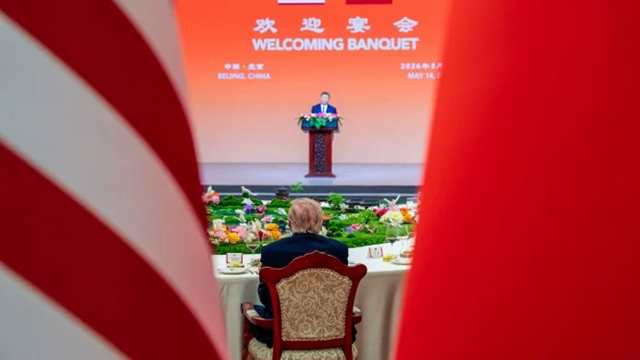
China has pledged to purchase at least $17 billion worth of agricultural products annually from the United States, according to the White House.
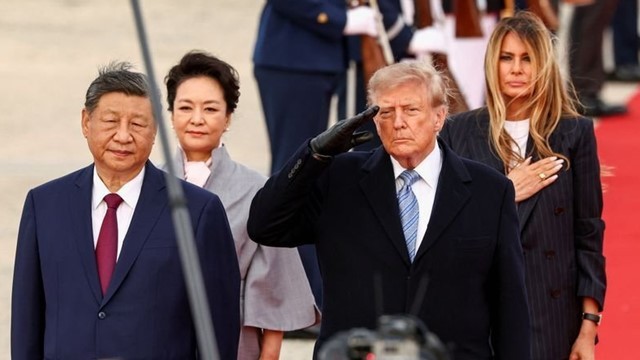
In a fact sheet released on Sunday, the White House said the agreement was reached during a meeting between Chinese President Xi Jinping and U.S. President Donald Trump.
Under the arrangement, China’s purchases will continue through 2028. However, the 2026 target will be calculated proportionally based on the remaining months of that year.
The White House also stated that China had previously committed during an October 2025 Trump-Xi meeting in South Korea to purchase at least 87 million tonnes of U.S. soybeans, and the new agreement is expected to increase that volume further.
As part of the deal, China will reopen its market to U.S. beef imports by renewing approvals for more than 400 meat-processing facilities whose licenses had expired.
Beijing will also resume poultry imports from U.S. states that the United States Department of Agriculture has declared free of bird flu outbreaks.
The White House further announced that the two countries have agreed to establish two new institutions aimed at improving coordination in trade and investment management. These are the “U.S.-China Board of Trade” and the “U.S.-China Board of Investment.”
So far, China has not officially commented on the announcement, and the Chinese Embassy in Washington has not issued an immediate response.
Reports said the two-day summit in Beijing was conducted in a friendly and ceremonial atmosphere, although relatively few concrete agreements were reached. The leaders discussed economic cooperation and trade issues, while more sensitive topics such as Taiwan and the Iran-Israel conflict were largely avoided.
In its statement following the meeting, the White House said both sides discussed ways to expand economic cooperation. They also agreed on the importance of keeping the Strait of Hormuz open and ensuring that Iran never acquires nuclear weapons.
Meanwhile, Beijing’s statement avoided directly mentioning Iran’s nuclear weapons issue, instead emphasizing the need to address the concerns of all parties involved regarding Iran’s nuclear program and other regional matters.
Neither side mentioned Taiwan in their official statements. However, ahead of the summit, Xi Jinping warned that the Taiwan issue could trigger conflict between the two powers if not “properly managed.”
Trade between Washington and Beijing has declined significantly over the past decade due to retaliatory tariffs and economic pressure measures. Last year, bilateral goods trade between the two countries stood at around $415 billion, down sharply from more than $690 billion in 2022.