[email protected] সোমবার, ১৮ মে ২০২৬
৪ জ্যৈষ্ঠ ১৪৩৩
USA

Trump’s China Visit Brings Stability but Few Major Breakthroughs in U.S.-China Relations

17 May 2026 21:05 PM

NEWS DESK

File Photo

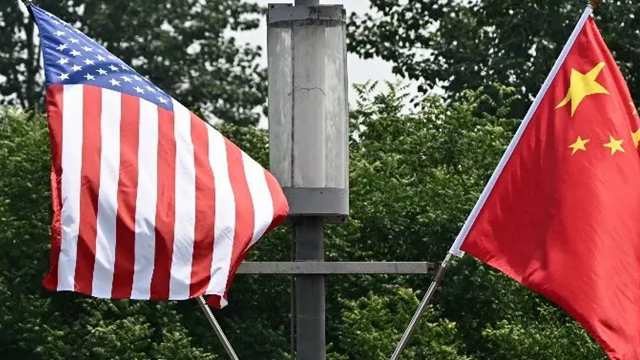
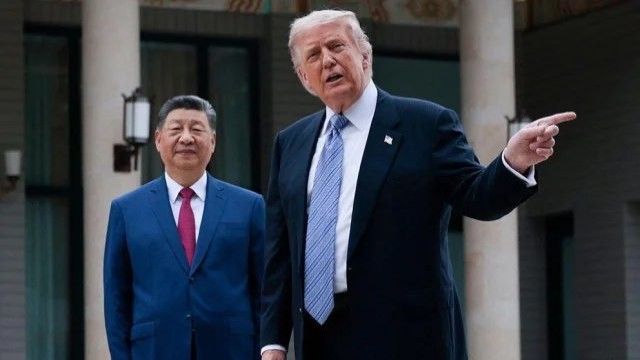
U.S. President Donald Trump’s recent visit to China produced few major achievements for Washington, but it appears to have restored a more stable — though still highly competitive — relationship between the United States and China following last year’s intense trade war.

According to a report by Reuters, several realities became clear during Trump’s two-day talks with Chinese President Xi Jinping. Despite Trump’s previously announced “Liberation Day” tariffs and the trade understandings reached late last year, Washington and Beijing remain locked in strategic rivalry.

The report noted that when Trump began his second presidential term, he inherited an already competitive and confrontational relationship with China — a dynamic that remains largely unchanged today.

For the United States, this means continued concerns over what Washington describes as China’s unfair trade practices and Beijing’s efforts to expand its military influence in the Indo-Pacific region. In other words, many of the most contentious issues in bilateral relations remain unresolved.

For Xi Jinping, however, the current situation may offer some relief, as he is once again dealing with a more predictable strategic challenge. During the talks, Xi reportedly proposed a new framework for bilateral relations described as “constructive strategic stability.”

China expert Scott Kennedy of the Center for Strategic and International Studies said China appears to have ended up in a relatively advantageous position compared with the aggressive trade policies pursued by the Trump administration at the beginning of 2025.

“A year ago, the United States was imposing 145 percent tariffs and attempting to force structural changes on China and the rest of the world,” Kennedy said. “Now we have essentially moved in the opposite direction and returned to a form of stability.”

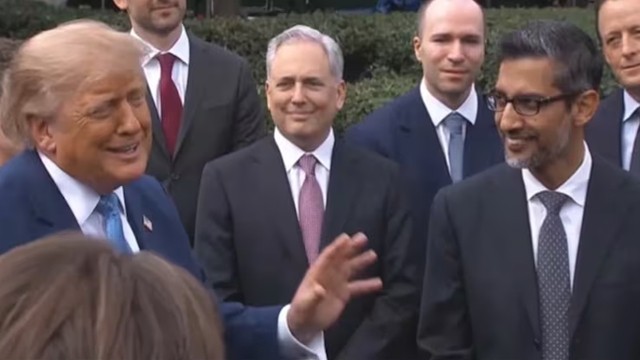
Trump was accompanied at the summit by several prominent American corporate executives, including Elon Musk of Tesla and Jensen Huang of Nvidia. However, aside from ceremonial dinners and diplomatic optics, the visit produced few visibly significant outcomes.

The summit also failed to secure any public Chinese commitment to help the United States end the war involving Iran, a conflict that has unsettled global markets and affected Trump’s domestic popularity.

China expert Craig Singleton of the Foundation for Defense of Democracies said the summit projected stability but failed to break the broader deadlock.

“This summit delivered a message of stability, but it did not break the impasse,” Singleton said. “Given the current state of U.S.-China relations, the outcome was limited, manageable, and easy to present politically as a success.”

A White House official, however, argued that Trump had leveraged his positive relationship with Xi to secure “real results” for the American people.

The official pointed to deals involving Boeing aircraft sales and agricultural exports, which Washington claims will help boost U.S. exports.

A spokesperson for the Chinese Embassy in Washington described the talks as “frank, in-depth, constructive, and strategic,” adding that both sides discussed how the two countries could coexist properly.

Analysts say Trump may have overestimated the power of tariffs during last year’s trade war, believing they would force China into making unilateral concessions. In response, Beijing raised tariffs of its own and threatened to restrict exports of critical minerals needed by U.S. industries, pushing both sides into an uncomfortable stalemate.

Since then, the White House has reportedly avoided escalating pressure through measures such as sanctions on major Chinese banks or broader technology restrictions, partly due to fears of economic fallout.

Several long-standing U.S. complaints against China also appeared largely absent from the summit discussions. Among them were concerns over industrial overcapacity and allegations that China floods global markets with low-cost exports.

Analysts believe Beijing is satisfied with the fragile trade-war truce for now, as China seeks to stabilize its weakening domestic economy while simultaneously developing technological capabilities that could strengthen its long-term competition with the United States.

Even before the summit, senior Trump administration officials had lowered expectations for major breakthroughs. They reportedly saw no urgency to extend the current trade-war truce, which was agreed upon during talks in South Korea last October and still has five months remaining before expiration.

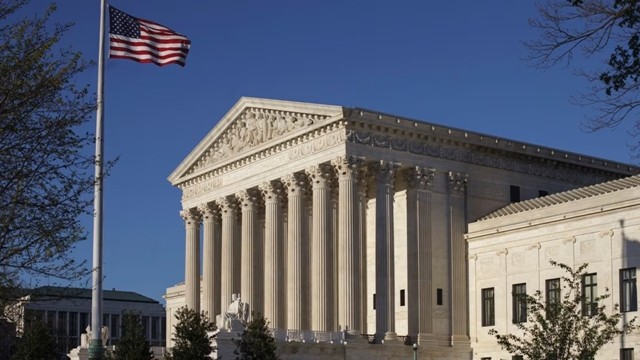
A source familiar with the trade negotiations told Reuters that China had requested a longer extension of the trade truce than the Trump administration was willing to offer. Beijing also reportedly sought assurances regarding possible future tariffs on certain imported goods after some tariffs were struck down earlier this year by the Supreme Court of the United States.

According to the source, neither side presented major new proposals during the summit. However, some commercial agreements could be finalized later this autumn, when Xi Jinping is expected to make a return visit to the White House.


Comments Here:

Related Topic