১৮ আশ্বিন ১৪৩৩



Measles Outbreak Spreads From Texas to Mexico, Raising Global Health Concerns
19 May 2026 09:05 AM
NEWS DESK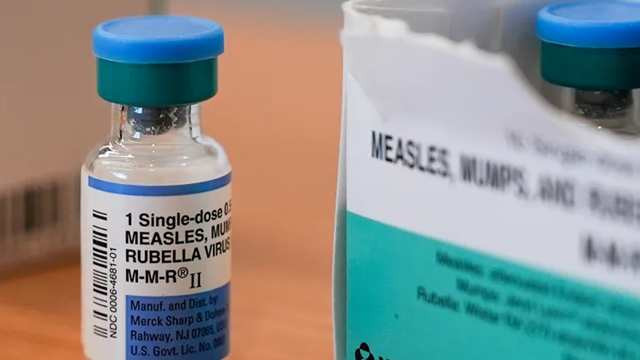
A measles outbreak that began in the small town of Seminole in the U.S. state of Texas has now spread across the border into Mexico, highlighting how even small gaps in vaccination coverage can trigger major public health crises.
According to a report by CNN on Sunday, the outbreak began in early 2025 when a nine-year-old boy visited relatives in Seminole with his family. After returning home to the Mexican state of Chihuahua, the child developed a red rash. Within weeks, many students at his school became ill, forcing the school to shut down.
At the time, the family did not realize they had been exposed to the measles virus while staying in Texas. Seminole was later identified as the center of the largest measles outbreak in the United States in the past three decades, with at least three deaths reported there.
After crossing into Mexico, however, the outbreak escalated into a much larger public health emergency.
According to Mexico’s Health Ministry, at least 40 people have died from measles-related complications since the beginning of 2025. The victims include both children and middle-aged agricultural workers. During the same period, more than 17,000 infections were recorded across the country — nearly four times the number reported in the United States.
Health experts say the two-dose MMR vaccine is highly effective at preventing measles, but most infected individuals had not been vaccinated.
The first major cluster in Mexico was detected among remote Mennonite community populations in Chihuahua. Many members of the community live in isolation and remain outside the formal healthcare system. The disease also spread rapidly among Indigenous laborers working in apple, wheat, and corn farms.
By the end of the year, nearly 4,500 measles cases had been reported in Chihuahua alone — surpassing the total number recorded across the United States.
Mexican health officials confirmed through genetic testing that the virus strain was the “Genotype D-8” variant, which had previously appeared in Canada in 2024 before spreading to Texas and later throughout Mexico’s 32 states.
Samuel Ponce de Leon, an epidemiology professor at National Autonomous University of Mexico, said the success of vaccines had caused many people to forget how dangerous measles can be.
“Because vaccines worked so well, people stopped worrying about measles,” he said.
Measles is considered one of the world’s most contagious diseases — even more transmissible than COVID-19. The virus spreads through coughing, sneezing, or even speaking, and can remain airborne for up to two hours. A single infected person can infect an average of 18 others.
One of the first children infected after the Texas-linked case returned to Mexico was a classmate named Artemio Bergen. He developed fever, breathing difficulties, and severe rashes across his body. He spent a week in the hospital, and his family said there were moments when they feared he would not survive. Although he later recovered, three of his siblings also became infected.
At one Mennonite school in Chihuahua, so many students became ill that one-third of the school population was absent. Eventually, most nearby schools were forced to close.
The outbreak quickly spread beyond the local community. Health officials said Mennonite residents frequently traveled to larger cities on weekends for shopping, allowing the virus to spread with them.
Experts say one of the main reasons behind the crisis was the weakening of Mexico’s vaccination system. Following a severe measles epidemic in 1989–90, the country had built a strong immunization program. However, recent budget cuts, the COVID-19 pandemic, and administrative disruptions weakened those protections.
Government data showed that in 2024, only about two-thirds of children in Chihuahua received their first measles vaccine dose. The World Health Organization says at least 95 percent vaccination coverage is needed to prevent measles outbreaks.
To contain the crisis, Mexican authorities have launched a nationwide vaccination campaign. Health workers have gone door-to-door in Mennonite communities, and the government says nearly 25 million vaccine doses have already been administered across the country.
Public health experts, however, warn that continued negligence in vaccination efforts could lead to even larger outbreaks in the future. Beyond immediate deaths, measles can also weaken children’s immune systems for years after infection.