[email protected]
রবিবার, ১৮ অক্টোবর ২০২৬
৩ কার্তিক ১৪৩৩
৩ কার্তিক ১৪৩৩

Sunday, 18th October 2026


U.S.-Born Children May Face New Passport Requirements Under Trump Citizenship Policy
03 September 2026 08:09 AM
NEWS DESK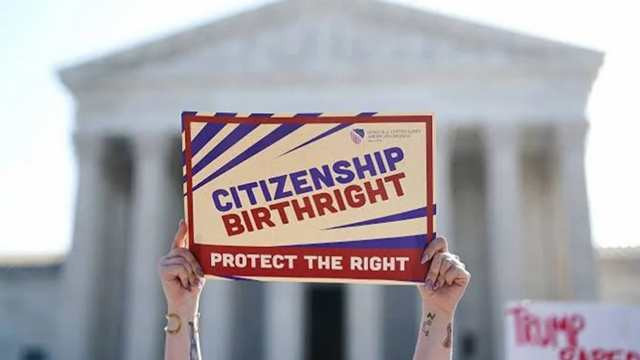
Parents of children born in the United States could soon be required to provide proof of their own U.S. citizenship or lawful immigration status when applying for their children’s passports under a proposed State Department policy tied to President Donald Trump’s efforts to restrict birthright citizenship.
According to a Reuters report published Wednesday, the State Department has proposed new passport guidelines outlining how it would implement an executive order issued by Trump on August 6. The order is aimed in part at curbing so-called “birth tourism” and narrowing the circumstances under which U.S.-born children automatically receive citizenship.
Under the proposed rules, parents or legal guardians applying for a passport for a U.S.-born child would have to submit documentation showing their own citizenship or immigration status. U.S. citizens could be required to provide a valid U.S. passport or birth certificate, while immigrants could be asked to submit documents such as an I-94 arrival record or a lawful permanent resident card, commonly known as a Green Card.
The requirements would represent a significant change from current practice. At present, parents applying for a passport for a minor generally must establish their relationship to the child and provide government-issued photo identification. Although passport applications collect information about parents’ citizenship, parents are not generally required to submit documentary proof of their citizenship or immigration status.
State Department spokesperson Tommy Pigott told Reuters that Trump has made clear that his administration intends to protect the meaning and integrity of U.S. citizenship. He said the passport issuance process would be subject to the new requirements to ensure the administration’s standards are properly followed.
The proposed guidance says the State Department would use information about the parents and their citizenship or immigration status to determine whether a child falls within the scope of Trump’s executive order and is eligible for citizenship under the new policy.
Birthright citizenship has become a major focus of Trump’s immigration agenda. His earlier executive order sought to deny automatic citizenship to certain children born in the United States when neither parent was a U.S. citizen nor a lawful permanent resident.
The policy has faced major legal challenges. The U.S. Supreme Court previously ruled against the administration’s effort, with the justices concluding by a 6-3 vote that the order was unlawful. A majority of the justices found that the policy conflicted with the citizenship protections contained in the 14th Amendment to the U.S. Constitution.
The latest State Department proposal is therefore likely to face continued legal and political scrutiny as the administration seeks to redefine how birthright citizenship is applied and documented.
Advertisement