২ কার্তিক ১৪৩৩



Debt Repayment Burden Rises for Low-Income Countries, Raising Concerns for Bangladesh
17 October 2026 17:10 PM
NEWS DESK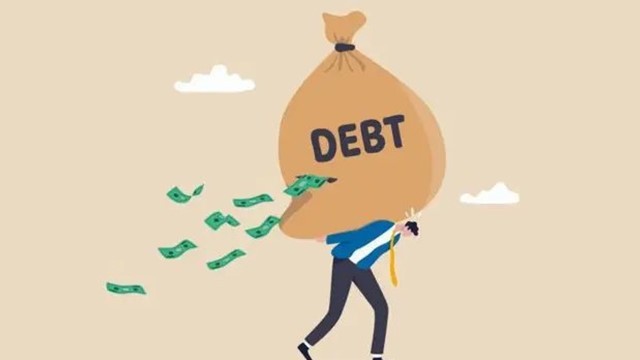
Low-income countries are facing growing debt repayment pressures amid inflation and high interest rates, with the share of government revenue allocated to debt servicing rising from 8 percent to 14 percent in recent years.
The growing burden has raised concerns for Bangladesh, where limited revenue collection can leave the government with fewer resources for essential public services and development projects. Higher spending on interest and principal repayments could squeeze allocations for education, healthcare, social protection and infrastructure.
Against this backdrop, International Monetary Fund (IMF) Managing Director Kristalina Georgieva has called for faster and more effective debt restructuring for low-income countries, alongside increased concessional lending and financial assistance.
She made the remarks during a press briefing on the sixth day of the IMF-World Bank Group Annual Meetings at the Queen Sirikit National Convention Center in Bangkok, Thailand, on Saturday. Saudi Finance Minister Mohammed Al-Jadaan attended the briefing, which was moderated by Julie Kozack, director of the IMF’s Communications Department.
For developing economies such as Bangladesh, managing public debt while increasing domestic revenue has become a major challenge. When revenue collection falls short of expectations, governments face greater difficulty balancing development spending with debt repayment obligations.
Fluctuations in global interest rates, energy prices and exchange rates can further increase the cost of servicing foreign debt.
Georgieva said inflation acts like a tax on people in low-income countries, whose citizens want relief from rising prices and economic uncertainty. She stressed the need for clear government policies and a business-friendly environment that enables private companies and entrepreneurs to expand their operations.
For Bangladesh, controlling inflation, creating jobs and encouraging investment remain important to maintaining economic stability. Effective policy support is also needed to protect the purchasing power of low-income households and help small and medium-sized enterprises sustain their businesses.
IMF Sees Scope to Expand Concessional Lending
Georgieva said the IMF has scope to more than triple its capacity to provide concessional financing through the Poverty Reduction and Growth Trust (PRGT).
Additional financing has also been made available to strengthen countries’ financial management and institutional capacity, she said.
The PRGT provides concessional financial assistance to eligible low-income countries, helping them address economic challenges while supporting poverty reduction and growth.
Georgieva emphasised that countries requiring debt restructuring must receive timely and effective solutions. In this regard, she said the G20 Common Framework could play an important role.
For countries whose debt remains sustainable over the long term but that face immediate financing difficulties, she highlighted the importance of support to strengthen domestic revenue mobilisation and attract private investment.
The G20 Common Framework is designed to facilitate coordinated debt treatment for eligible countries facing debt difficulties, bringing together official creditors to help address unsustainable debt burdens.
For Bangladesh, the growing cost of debt servicing underscores the need to improve revenue collection, ensure that borrowed funds are directed towards productive sectors, strengthen project implementation and maintain adequate allocations for social protection.
A broader and more effective tax base could help the government reduce its dependence on borrowing and create greater fiscal space for development priorities.
At the same time, better management of public expenditure and careful assessment of new borrowing would be essential to ensuring that debt-financed projects generate sufficient economic and social returns.
The challenge, therefore, extends beyond securing additional financing. Bangladesh will also need to improve the efficiency of public spending, maintain fiscal discipline and protect essential social services as debt repayment obligations increase.