২ কার্তিক ১৪৩৩



US Congressman Claims H-1B Visa Holders Are Displacing American Computer Science Graduates
17 October 2026 18:10 PM
NEWS DESK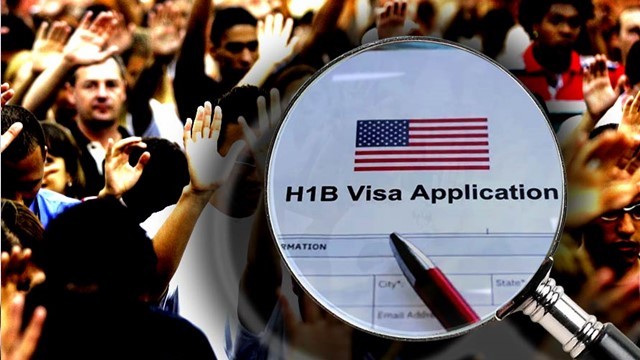
US Congressman Riley Moore has accused employers of replacing American computer science graduates with foreign workers willing to accept lower wages, arguing that the H-1B visa programme and Optional Practical Training (OPT) system are undermining employment opportunities for US graduates.
In a post on X sharing a clip from a television interview, Moore described the H-1B and OPT programmes as “scams,” alleging that they allow employers to recruit lower-cost foreign workers at the expense of American employees.
“The H-1B and OPT programmes are scams that bring in cheaper foreign labour to push American workers aside and replace them,” Moore wrote.
He further claimed that 650,000 Americans had graduated with degrees in computer science or related fields, while 500,000 H-1B visa holders had entered the workforce, most of them from China and India.
Speaking to Scott Jennings on The Scott Jennings Show, aired on Salem News Channel, Moore said approximately 650,000 young Americans had completed degrees in computer science or computer programming last year, while the United States had issued more than 500,000 H-1B visas.
“It is truly unbelievable. At the end of the day, they are willing to do these jobs for lower wages, and our young people are losing their jobs because employers are attracted to cheaper labour,” he said.
Moore Criticises the Purpose of the H-1B Programme
Moore argued that the H-1B programme was not functioning as originally intended and had instead become a means of importing lower-cost labour.
He said the programme was designed to bring highly skilled and talented foreign professionals to the United States to fill positions for which qualified domestic workers were unavailable.
“But that is not how it is working in practice,” Moore argued, adding that the programme was restricting opportunities for recent graduates entering fields such as accounting and computer science.
He also claimed that H-1B visa holders bring family members to the United States, contributing to what he described as a system of chain migration.
“Typically, an H-1B visa holder brings 10 family members with them,” Moore said.
However, his claims about the number of family members accompanying visa holders and the extent to which foreign workers displace American graduates were not independently established in the statements cited.
The debate comes amid separate concerns over a proposed US Department of Homeland Security (DHS) rule that could change how applications to extend certain temporary work visas, including H-1B and L-1 visas, are reviewed.
Under the proposed rule, immigration officers could reassess an applicant’s eligibility even when an earlier application under similar circumstances had been approved. The proposal has raised concerns among some Indian immigrants and other foreign professionals working in the United States.
The measure has not yet been implemented. DHS has sought public comments on the proposed regulation.
According to US Citizenship and Immigration Services (USCIS) data cited in reports, Indian nationals accounted for approximately 70 per cent of H-1B beneficiaries in fiscal year 2025.
The H-1B programme allows US employers to hire foreign professionals for specialised occupations, including jobs in technology, engineering and other fields requiring specialised knowledge. The OPT programme, meanwhile, allows eligible international students on F-1 visas to gain practical work experience related to their studies.
The two programmes serve different purposes: H-1B is an employment-based visa category, while OPT provides eligible international students with temporary work authorisation.
Moore’s remarks have added to the wider debate over immigration, wage competition and employment opportunities for American graduates. Determining the programmes’ actual effects requires distinguishing the number of graduates and visas from evidence about hiring practices, wages and whether foreign workers are replacing or complementing domestic employees.