[email protected]
শনিবার, ১৯ সেপ্টেম্বর ২০২৬
৩ আশ্বিন ১৪৩৩
৩ আশ্বিন ১৪৩৩

Friday, 18th September 2026


BPC Faces Funding Crunch as Global Fuel Prices Surge
19 September 2026 07:09 AM
NEWS DESK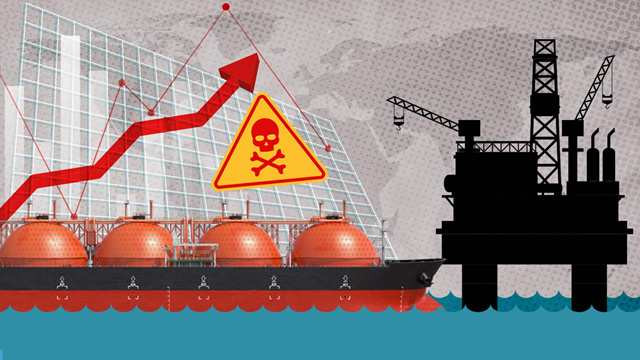
Bangladesh Petroleum Corporation (BPC) is facing growing financial pressure due to soaring global fuel prices and could face a funding shortage for opening letters of credit (LCs) to import fuel at some point in October unless the government provides fresh financing.
According to the latest figures available as of September 6, BPC has around Tk 12,368 crore in working capital. While this is enough to cover its fuel import expenses for September, the corporation will require additional funds to continue imports in the following months.
BPC says it needs to maintain working capital equivalent to at least two months of fuel import costs to ensure energy security. At current international prices, the corporation estimates that it needs an additional Tk 15,000–20,000 crore to meet that requirement.
However, BPC expects that the funding pressure will not cause any immediate disruption to the country's fuel supply.
In a letter sent to the secretary of the Energy and Mineral Resources Division on September 8, BPC Chairman Md Rafiqul Islam outlined the corporation's financial situation and requested urgent measures to ease the pressure.
According to the letter, BPC incurred losses of Tk 22,876 crore between March and August while settling LCs for fuel imports. The corporation has sought government subsidies to cover the losses.
BPC attributed the losses mainly to the sharp rise in global fuel prices while domestic fuel prices have not been adjusted accordingly. Although Bangladesh has an automatic fuel-pricing mechanism, domestic prices have not been revised in line with international prices since March.
For September, BPC proposed setting the prices of diesel, octane, petrol and kerosene at Tk 187, Tk 154, Tk 150 and Tk 146 per litre respectively. However, the Energy and Mineral Resources Division kept the existing prices unchanged at Tk 115 for diesel, Tk 145 for octane, Tk 140 for petrol and Tk 135 for kerosene.
The cost of fuel imports has also risen sharply. BPC data shows that its fuel import bill in August reached Tk 7,603 crore, excluding duties, taxes and operating expenses, compared with Tk 2,741 crore in the same month last year.
To meet its import payments, BPC has already withdrawn Tk 19,500 crore from funds allocated for the second unit of Eastern Refinery and other development projects.
After the withdrawal, only Tk 1,679.72 crore remains in the accounts of those projects, according to BPC.
The corporation is also facing several major payment obligations in the coming months. It needs around Tk 524 crore in September to acquire land for an LPG tank installation project and another Tk 690 crore by December to repay loans for the Single Point Mooring (SPM) project.
BPC estimates that it may require an additional Tk 3,500 crore to cover expenses for various development projects through December. It must also make scheduled repayments on loans from the International Islamic Trade Finance Corporation (ITFC).
The September 8 letter said BPC had previously sought subsidies from the Finance Ministry for the period from March to June, but the money has yet to be received.
The corporation has now called for the outstanding losses to be reimbursed urgently. It has also proposed sending a demi-official letter to the finance minister to seek immediate funding and recommended briefing the prime minister on the country's overall fuel situation.
BPC has been under additional financial pressure since June 2025, when the government began calculating duties and taxes on imported petroleum products based on their actual import or invoice value rather than the previously used tariff value.
According to BPC, the change has increased its tax burden by around Tk 15–20 per litre compared with the previous system. In August, total duties and taxes on diesel stood at Tk 32.44 per litre, BPC data shows.
The corporation has proposed restoring the previous duty structure or temporarily waiving duties and taxes until the current geopolitical situation improves.
BPC has also called for domestic fuel prices to be adjusted regularly in line with international market prices.
BPC Chairman Md Rafiqul Islam told yesterday that the government had historically provided subsidies to ensure uninterrupted fuel imports. However, he said the corporation now needs additional funds to maintain smooth import operations in the coming months.
“We hope the government will consider the matter seriously and there will be no disruption to fuel imports,” he said.
Rafiqul Islam was scheduled to meet officials at the Finance Ministry today to discuss the issue.
State Minister for Energy and Mineral Resources Anindya Islam Amit told, “The government is giving the highest priority to every issue related to ensuring uninterrupted fuel supply. We are discussing the subsidy issue with the Finance Ministry and hope to resolve it very soon.”
Advertisement