[email protected]
শনিবার, ১৯ সেপ্টেম্বর ২০২৬
৩ আশ্বিন ১৪৩৩
৩ আশ্বিন ১৪৩৩

Friday, 18th September 2026


Death Toll Rises to 27 in Suicide Car Bomb Attack at Pakistan Police Mosque
19 September 2026 08:09 AM
NEWS DESK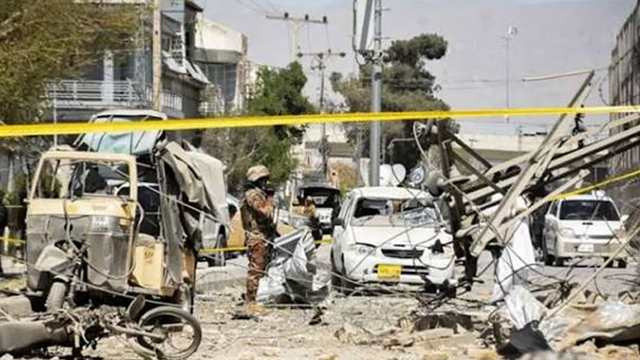
The death toll from a suicide car bomb attack at a mosque inside the Kohat Police Lines in Pakistan's northwestern Khyber Pakhtunkhwa province has risen to at least 27, including 15 police officers and six civilians. At least 75 people were injured in the attack.
According to Al Jazeera, worshippers had gathered for Friday prayers when a vehicle packed with explosives rammed into the entrance of the mosque inside the police compound. The resulting blast severely damaged a large section of the mosque and caused an outer wall of the police facility to collapse.
Local residents said the explosion was so powerful that it could be heard several kilometres away.
An affiliate of the Tehreek-e-Taliban Pakistan (TTP), Ittehad-ul-Mujahideen, claimed responsibility for the attack. The group said an alliance led by Hafiz Gul Bahadur carried out the suicide bombing.
Khyber Pakhtunkhwa police chief Zulfiqar Hameed confirmed that a suicide attack had taken place. He said several armed attackers attempted to enter the police compound following the explosion, triggering a gunfight with security forces.
At least six attackers were killed in the ensuing exchange of fire, according to Al Jazeera correspondent Kamal Hyder, reporting from Islamabad.
Pakistan has repeatedly accused the TTP and other militant groups of using safe havens in Afghanistan to launch attacks inside Pakistan. The Taliban authorities in Kabul have consistently denied the allegations.
Local doctor Tahir Shah said at least 15 bodies and more than 50 injured people were initially brought to hospitals. Rescue authorities later put the number of injured at at least 75. Emergency workers said most of the casualties were worshippers who had gathered for Friday prayers.
Kohat is located in Khyber Pakhtunkhwa near the Afghan border and serves as an important gateway to several volatile areas, including North Waziristan, Bannu and Dera Ismail Khan. Security forces in the region have faced a series of deadly attacks in recent months.
Michael Semple, a visiting professor at Queen's University Belfast and a former European Union representative in Afghanistan, said an attack of this scale and complexity would require extensive planning, training and logistical support. He said such an operation could indicate significant organisational capabilities among elements of the TTP.
The attack came just a day after six soldiers were killed when a roadside bomb struck a security forces convoy in Hangu district, also in Khyber Pakhtunkhwa. Later that day, Pakistan's military and police said they had killed 10 suspected Taliban militants during operations in different areas.
Prime Minister Shehbaz Sharif strongly condemned the Kohat attack and directed authorities to ensure prompt medical treatment for the wounded and intensify rescue operations.
In a statement, Pakistan's Interior Ministry said the attackers' “cowardly” actions would not weaken the country's resolve in its fight against terrorism.
Advertisement