২২ আশ্বিন ১৪৩৩



Brazil and India Sign Strategic Pact to Secure Rare Earth Supply Chains
22 February 2026 09:02 AM
NEWS DESK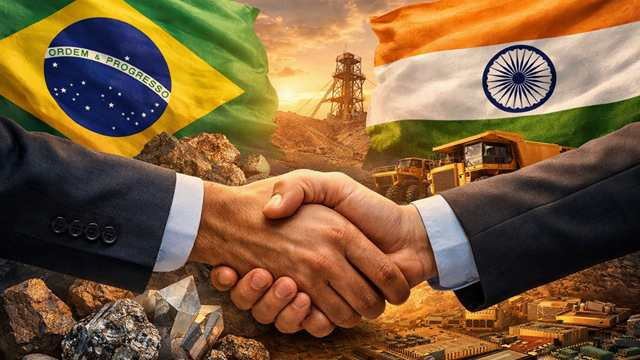
Brazil and India have signed a framework agreement to ensure the supply of rare and critical minerals, agreeing to cooperate closely in mineral processing amid global instability in rare earth supply chains.
Speaking after a meeting in New Delhi, Indian Prime Minister Narendra Modi said the agreement on critical minerals would help build a new and stable supply chain.
Brazilian President Luiz Inácio Lula da Silva arrived in India on Wednesday for a three-day official visit.
As the country with the world’s second-largest rare earth reserves, Brazil could serve as a key alternative source for India, which is seeking to reduce its dependence on China for raw materials essential to electronics, renewable energy, and defense sectors.
India recently joined the US-led Pax Silica initiative, aimed at building stable supply chains in semiconductors, artificial intelligence, and critical minerals.
China’s dominance in the extraction and processing of critical minerals required for high-tech manufacturing and defense industries has become a growing global concern, particularly for developing economies such as India.
In an evolving global order marked by competition over technology and supply chain influence, Brazil and India are strengthening bilateral cooperation. During Modi’s visit to Brazil in July, the two countries agreed to enhance cooperation in defense, energy, food security, and to reduce non-tariff barriers to boost trade.
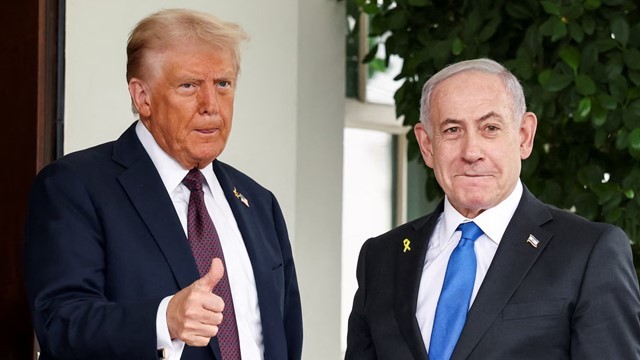
After US President Donald Trump imposed 50 percent tariffs on both countries, New Delhi and Brasília moved to deepen ties. Earlier this month, following the signing of a trade agreement, tariffs on India were reduced to 18 percent.
However, the situation shifted again on Friday when the Supreme Court of the United States struck down many of the tariffs imposed by the Trump administration. In response, Trump announced a new 10 percent global tariff on foreign goods.
India and Brazil aim not only to remain suppliers of raw materials but also to enter the higher-value segment of critical mineral processing. At present, China dominates both extraction and processing. The United States and other countries are moving swiftly to secure alternative sources and partnerships.
Lula said the landmark agreement signed on Saturday centers on expanding investment and cooperation in renewable energy and critical minerals.