২৭ আশ্বিন ১৪৩৩



Peace Deal Collapsed Because of US: Abbas Araghchi
14 April 2026 00:04 AM
NEWS DESK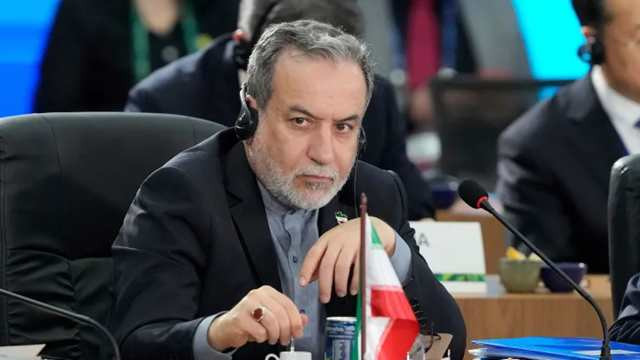
Iran’s Foreign Minister Abbas Araghchi has said that high-level peace talks with the United States held in Islamabad came very close to producing an agreement but ultimately collapsed at the final stage.
According to Araghchi, the main reasons behind the failure were Washington’s unwillingness to make concessions, repeated shifts in its position, and various forms of pressure during the negotiations.
He stated that Iran participated in the talks with full goodwill and a genuine intention to end hostilities. However, the United States’ hardline stance at the last moment derailed the process.
In a post on social media platform X, Araghchi described the talks as the highest-level engagement between the two countries in the past 47 years. He noted that the parties had come close to signing what he called the “Islamabad Memorandum of Understanding,” but obstacles prevented its finalization.
He added, “No lessons were learned. Goodwill is met with goodwill, and hostility is met with hostility.”
Iranian President Masoud Pezeshkian also blamed the United States for the breakdown of the talks. He said that a deal is still possible if Washington abandons what he described as an authoritarian approach and respects Iran’s rights.
In his own post on X, Pezeshkian wrote, “If the U.S. government abandons its authoritarian attitude and respects the rights of the Iranian nation, a path to an agreement can certainly be found.”
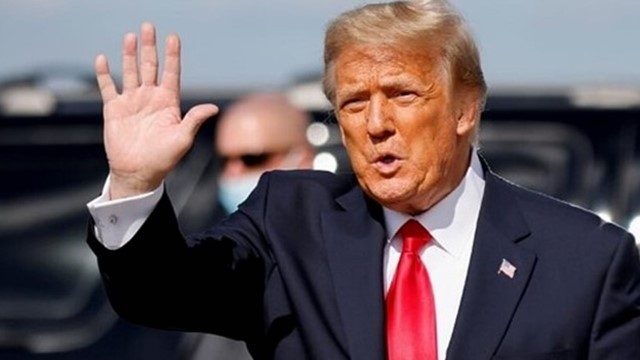
Following the collapse of the talks, U.S. President Donald Trump issued a warning that the U.S. Navy would impose a blockade on all vessels passing through the Strait of Hormuz.
U.S. Central Command (CENTCOM) announced that the blockade would take effect from 10:00 a.m. Eastern Time on Monday, corresponding to 5:30 p.m. local time in Iran. The measure would apply to all ships heading to Iranian ports, regardless of their country of origin. However, vessels traveling between other countries’ ports would still be allowed to use the Strait of Hormuz.
Responding to Trump’s warning, Iran’s Parliament Speaker Mohammad Bagher Ghalibaf said the blockade would have no impact on Iran.
He added that Tehran had presented several constructive proposals during the talks that helped move discussions forward.
Addressing the U.S. president, Ghalibaf warned, “If you seek war, we will respond with war; if you choose the path of reason, we will respond with reason.”
He further stated that Iran would not bow to threats, adding that any attempt to test the country’s resolve again would result in a stronger response.