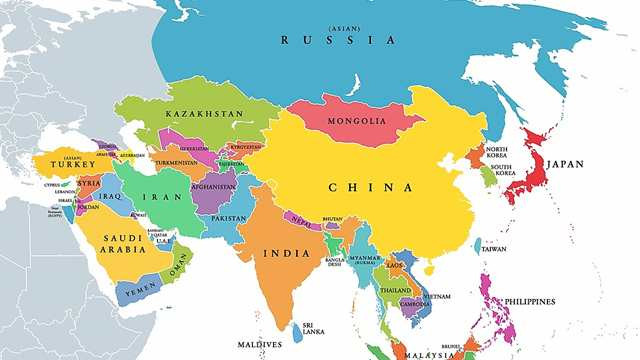
Governments across Asia are moving to strengthen long-term energy security strategies, taking into account volatility in international markets as the Middle East conflict shows no signs of ending soon.
Leaders in the region believe that even if the war comes to an end, stable and uninterrupted transportation of oil and gas through the Strait of Hormuz cannot be guaranteed. As a result, countries have already begun implementing contingency plans to address potential supply disruptions.
According to a report by Al Jazeera, South Korea has started importing helium from the United States at higher costs, using it to produce synthetic gas as part of its energy diversification efforts.
Seoul is also in talks with United Arab Emirates, Saudi Arabia, and Oman to secure oil and gas supplies, which would still pass through the Strait of Hormuz. The country has already dispatched five tankers as part of its preparations.
In addition, South Korea is operating its nuclear power plants at full capacity and has significantly expanded infrastructure for renewable energy.
Similar initiatives are being observed across Asia, where governments increasingly view the energy crisis as a long-term challenge rather than a temporary disruption. Alongside stockpiling fuel, countries are accelerating investments in renewable energy to reduce dependence on unstable supply routes.
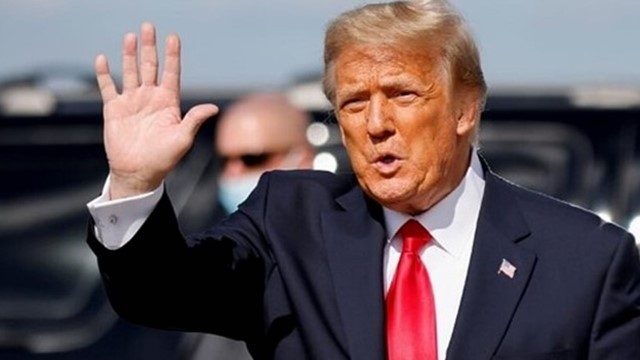
Analysts suggest that regional stability will also depend heavily on the actions of Donald Trump, whose policies could significantly influence the trajectory of the ongoing crisis.
Comments Here: