১১ আশ্বিন ১৪৩৩


Enriched Uranium Emerges as Core Issue in U.S.-Iran Peace Talks
11 May 2026 07:05 AM
NEWS DESK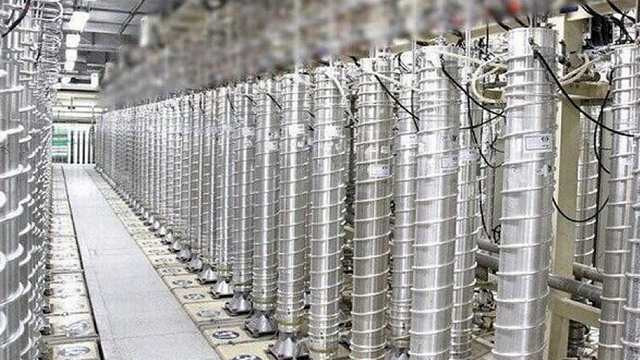
The issue of Iran’s highly enriched uranium stockpile has emerged as the central obstacle in ongoing ceasefire and peace negotiations between the United States and Iran.
The United States and Israel have long claimed that Iran currently possesses hundreds of kilograms of uranium enriched to 60 percent purity — a level that experts say can be further refined relatively quickly to weapons-grade material suitable for nuclear bombs.
Many international analysts believe this stockpile has placed Iran dangerously close to becoming capable of producing nuclear weapons. As a result, the question of what happens to Iran’s enriched uranium now lies at the heart of diplomatic efforts between Tehran and Washington.
U.S. President Donald Trump has insisted that, as part of any agreement, Iran must hand over its highly enriched uranium to the United States. Meanwhile, Russian President Vladimir Putin has said Moscow is prepared to receive and store Iran’s enriched uranium stockpile.
Iran, however, has not yet publicly clarified its position regarding the competing proposals from the two global powers.
Within Iran itself, the issue remains deeply controversial. Hardliners reportedly view sending uranium abroad as a form of surrender, while pragmatists argue that compromise is necessary to save the economy and avoid another devastating war.
Some analysts believe Iran would never agree to transfer uranium directly to the United States, which Tehran considers its principal adversary. Iranian leaders also remain deeply skeptical of Washington’s commitments and guarantees.
By contrast, transferring uranium to Russia may be politically easier for Tehran. Nevertheless, Iranian officials are also said to be wary of Moscow’s intentions. There are concerns that Russia could ultimately prioritize its own strategic interests and potentially use Iran’s uranium issue as leverage in negotiations with Western powers.
Earlier, the United States and Iran reportedly came close to reaching a limited understanding. Negotiators had been working on a 14-point memorandum of understanding, but the issue of relocating Iran’s enriched uranium abroad became the biggest stumbling block.
Iran had reportedly signaled willingness to limit uranium enrichment for several years, but disagreement over where the existing stockpile should be stored remains unresolved and increasingly complex.
At the same time, the Trump administration has continued to use tough rhetoric publicly. President Trump has warned that military strikes could resume if diplomacy fails.
As negotiations continue, Iran now appears to face three main options: transferring its uranium abroad in exchange for a limited agreement, pursuing a partial compromise to buy time, or refusing major concessions and risking a prolonged conflict.