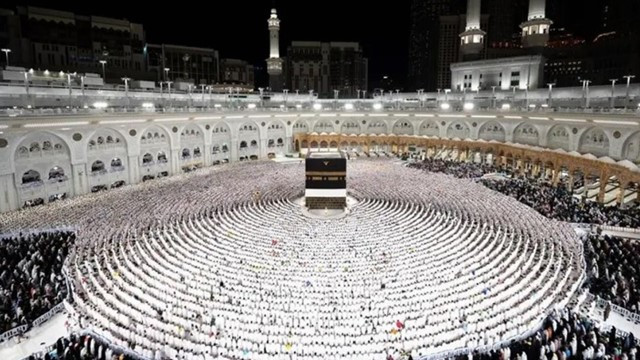

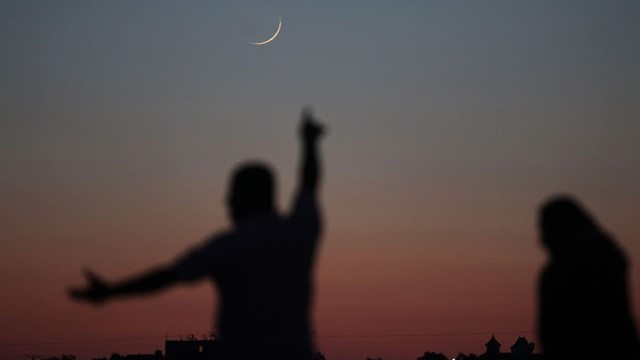
Due to the Northern Hemisphere experiencing winter, Muslims there will observe shorter fasts initially, around 11½ to 13 hours on the first day, with durations gradually increasing over the month. Conversely, in Southern Hemisphere countries such as Chile, New Zealand, and South Africa, fasting will be longer, lasting about 14 to 15 hours on the first day, and slightly decreasing as the month progresses.
For example, on the first day of Ramadan:
-
Christchurch, New Zealand – 15 hours 22 minutes
-
Puerto Montt, Chile – 15 hours 13 minutes
-
Canberra, Australia – 14 hours 48 minutes
-
Johannesburg, South Africa – 14 hours 13 minutes
-
Jakarta, Indonesia – 13 hours 48 minutes
-
Kuala Lumpur, Malaysia – 13 hours 11 minutes
-
Riyadh, Saudi Arabia – 12 hours 44 minutes
-
Doha, Qatar; Dubai, UAE; Dhaka, Bangladesh – 12 hours 43 minutes
-
New Delhi, India – 12 hours 38 minutes
-
Tokyo, Japan – 12 hours 27 minutes
-
Los Angeles, USA – 12 hours 15 minutes
-
London, UK – 12 hours 1 minute
-
Paris, France – 11 hours 33 minutes
The start of Ramadan shifts 10 to 12 days earlier each year according to the lunar-based Hijri calendar, with months consisting of 29 or 30 days. About 90% of the world’s population residing in the Northern Hemisphere will experience slightly shorter fasting durations this year, which will continue decreasing until 2031 when Ramadan coincides with the winter solstice.
In contrast, Muslims living south of the equator will have longer fasting hours compared to last year. Due to the 11-day shorter lunar year, two Ramadans will occur in 2030: the first beginning on January 5 and the second on December 26.