২৯ ভাদ্র ১৪৩৩



Israel Plans to Keep Al-Aqsa Mosque Closed During Eid al-Fitr and Beyond
17 March 2026 15:03 PM
NEWS DESK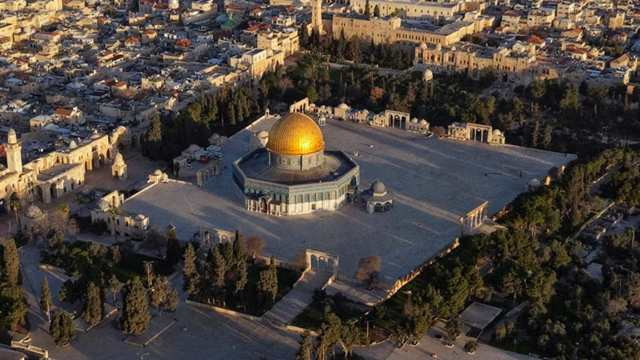
Israel is reportedly planning to keep the Al-Aqsa Mosque closed during the upcoming Eid al-Fitr and in the days that follow, according to multiple sources linked to the المسجد’s administration in occupied East Jerusalem.
Sources told Middle East Eye (MEE) that Israeli authorities have recently informed the Islamic Waqf Committee, which is responsible for overseeing the mosque, about the decision.
The closure has already been in effect since the beginning of the month, with Israeli officials citing the “security situation” amid ongoing tensions involving Iran, Israel, and the United States. Palestinians have described the move as unprecedented, particularly during the holy month of Ramadan, and accuse Israel of attempting to assert full control over the site under the pretext of security.
This marks the first time since Israel’s occupation of East Jerusalem in 1967 that Palestinians have been unable to perform Friday prayers at Al-Aqsa Mosque during Ramadan, sparking widespread anger across the Muslim world.
Since the closure, only 25 Waqf staff members per shift have been allowed to enter the vast compound. Requests to allow additional personnel have reportedly been denied by Israeli police. There are also allegations that authorities threatened to permit entry to hardline Jewish settlers if more staff were admitted.
Waqf officials have further expressed concerns that hidden surveillance cameras may have been installed inside the mosque’s main prayer hall and the Dome of the Rock, enabling constant monitoring.
Meanwhile, Jerusalem’s Old City has effectively been sealed off, with access restricted to local residents only. Once bustling with activity, the area now appears nearly deserted, in stark contrast to the normal life continuing just outside its boundaries.
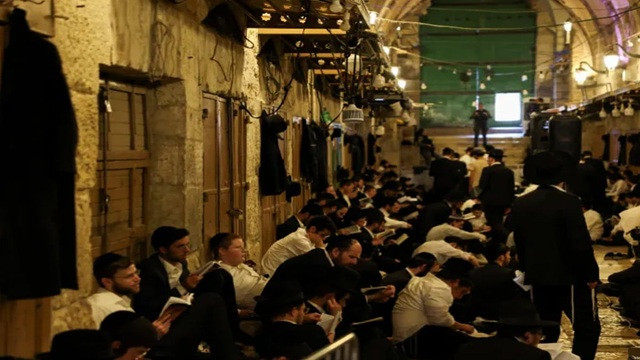
On Sunday night, during Laylat al-Qadr, hundreds of police officers were deployed, and all entrances to Al-Aqsa were shut. As a result, thousands of worshippers were forced to pray in the streets.
Dr. Mustafa Abu Sway, a professor associated with Al-Aqsa Mosque, described the stark contrast between conditions inside and outside the Old City as striking. He noted that if security were truly the concern, the mosque’s extensive underground spaces could have been used as shelters.
Awni Bazbaz, Director of International Affairs at the Waqf Committee, warned that these temporary restrictions could become permanent. Under international law, an occupying power is prohibited from making lasting changes in occupied territories. However, Israel has long been accused of violating the historical “status quo” of Al-Aqsa, raising concerns of a deeper and more prolonged crisis.