৬ কার্তিক ১৪৩৩



Elon Musk Poised to Become the World's First Trillionaire
08 June 2026 05:06 AM
NEWS DESK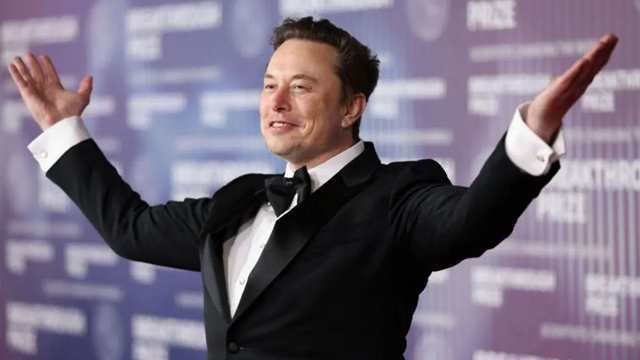
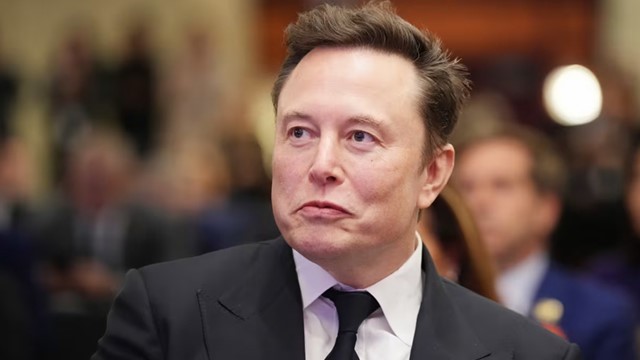
Elon Musk is on the verge of becoming the world's first trillionaire, a milestone that would mark an unprecedented accumulation of personal wealth in modern economic history.
The Tesla chief executive already holds shares and stock worth approximately $273 billion. However, his fortune could surge dramatically if the planned initial public offering (IPO) of his rocket and artificial intelligence company, SpaceX, proceeds as expected next week.
Musk owns nearly half of SpaceX. Analysts estimate that the company could achieve a market valuation of around $1.77 trillion following the IPO. Based on his ownership stake, that could add approximately $841 billion to his personal net worth.
Combined with his Tesla holdings, Musk's wealth from the two companies alone could reach approximately $1.11 trillion.
According to Forbes, Musk's current net worth stands at roughly $788.8 billion, already making him the world's richest person.
Wealth on Paper, Not in Cash
Despite the staggering figures, Musk's fortune largely exists on paper rather than as cash in a bank account. The value of his wealth depends heavily on how investors assess the future prospects of Tesla and SpaceX.
Even for the world's wealthiest individual, spending a trillion dollars would be extraordinarily difficult. A person spending $1 million every hour, every day, would still need more than a century to exhaust a trillion-dollar fortune.
Bigger Than Most National Economies
To put Musk's potential wealth into perspective, only about 20 countries currently have economies larger than $1.1 trillion.
According to data from the International Monetary Fund (IMF), the gross domestic product (GDP) of most nations is smaller than Musk's projected fortune.
Countries with economies below that threshold include:
- Taiwan ($977 billion)
- Ireland ($779 billion)
- Sweden ($760 billion)
- Singapore ($660 billion)
- South Africa ($480 billion), Musk's country of birth
Bangladesh has set a target of becoming a $1 trillion economy by 2034, a level that would still be below Musk's projected net worth.
Larger Than Major American Cities
Musk's wealth would surpass not only the economies of many countries but also some of the largest economic centers within the United States.
Manhattan, home to Wall Street and numerous major financial institutions, generated slightly more than $1 trillion in economic output in 2024, according to the latest available figures.
Houston, the third-largest city in the United States and a major hub of the country's oil and gas industry, has a combined residential and commercial property value of approximately $879 billion—significantly less than Musk's projected wealth.
More Valuable Than America's Annual New-Car Market
For most Americans, homes are their largest purchases, followed by cars and trucks.
The average price of a new vehicle reached a record $48,402 last year. Despite those high prices, approximately 16.3 million new vehicles were sold in the United States in 2025, generating a total market value of around $789 billion.
That entire market is still worth substantially less than Musk's projected trillion-dollar fortune.
Richer Than Other Tech Titans Combined
Musk's growing wealth could also eclipse that of several of the world's most prominent technology billionaires combined.
The combined fortunes of:
- Larry Page, co-founder of Google
- Sergey Brin, co-founder of Google
- Larry Ellison, founder of Oracle
- Jeff Bezos, founder of Amazon
amount to roughly $1.09 trillion, slightly less than Musk's projected net worth.
Like Musk, these entrepreneurs accumulated their fortunes primarily through ownership stakes in the companies they founded.
Enough to Buy Most of the World's Top Sports Teams
Professional sports franchises have long been favored investments among wealthy individuals. With a trillion dollars, Musk could theoretically purchase most of the world's premier sports teams.
According to Forbes, the world's 50 most valuable sports franchises have a combined worth of approximately $353 billion—about one-third of a trillion dollars.
The most valuable team on the list, the NFL's Dallas Cowboys, is valued at around $13 billion. The 50th-ranked franchise, the NBA's Toronto Raptors, is worth roughly $5 billion.
An Unprecedented Milestone
If SpaceX's valuation reaches expectations and market conditions remain favorable, Musk could become the first individual in history to surpass the trillion-dollar threshold.
Such a milestone would underscore not only the immense value investors place on leading technology companies but also the extraordinary concentration of wealth that can result from ownership of a handful of highly successful firms.