[email protected]
বুধবার, ২১ অক্টোবর ২০২৬
৫ কার্তিক ১৪৩৩
৫ কার্তিক ১৪৩৩

Tuesday, 20th October 2026


Signs of Republican Resistance to Trump Emerge Ahead of U.S. Midterm Elections
08 June 2026 06:06 AM
NEWS DESK
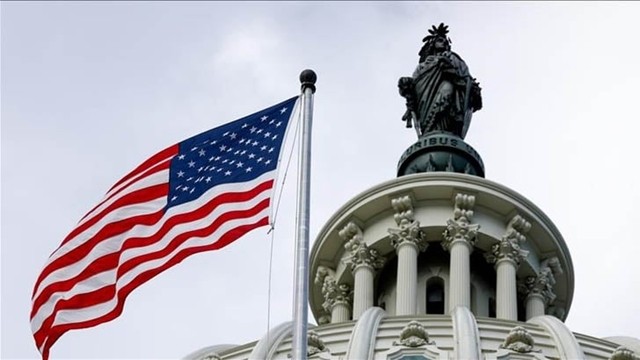
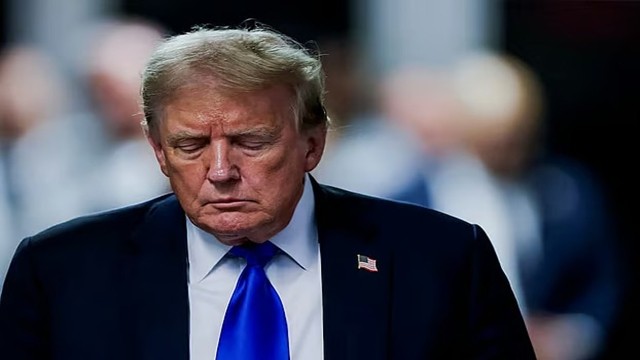
As the United States moves closer to the upcoming midterm elections, signs of renewed resistance to President Donald Trump are emerging within the Republican Party, driven by growing electoral pressure and internal disagreements over key policy decisions.
Although Republican lawmakers have largely avoided openly challenging Trump for years, several factions within the party have recently begun pushing back against some of the president’s initiatives and appointments.
Within the span of a single week, Republican members of both the Senate and the House of Representatives rebuked aspects of Trump's policy agenda, including his approach toward Iran, a proposed $1 billion funding package linked to a White House ballroom project, and a $1.8 billion "anti-weaponization" fund. Lawmakers also blocked legislation related to domestic intelligence authorities.
In addition, the House passed a bill providing assistance to Ukraine and imposing new sanctions on Russia despite opposition from Trump, setting up a potential confrontation that could ultimately result in a presidential veto.
Political analysts remain skeptical that Republicans and Democrats alike will witness a large-scale revolt against Trump. However, the increasing number of policy disagreements suggests that Republican lawmakers may become a more significant obstacle to some of the president’s ambitious plans in the months leading up to the elections.
The resistance appears particularly strong among lawmakers whom Trump has previously sought to sideline politically or challenge during primary campaigns.
Former Republican Senator Thom Tillis, who announced his retirement last year, argued that many lawmakers are increasingly voting based on the preferences of their constituents as election season approaches.
Others see the situation differently. Democratic Senator John Fetterman suggested that the current dissent actually reflects Trump's continued dominance within the Republican Party, noting that many of the lawmakers now willing to oppose him have already been marginalized politically because of their previous disagreements with the president.
The White House has dismissed suggestions of a growing internal rebellion, characterizing the disputes as routine "election-year politics" rather than evidence of deeper divisions.
Much of the recent frustration reportedly stems from Trump's involvement in Senate races and a series of controversial decisions announced around the Memorial Day holiday period.
Several Republican lawmakers became increasingly dissatisfied after Trump opposed the reelection efforts of influential senators such as Bill Cassidy and John Cornyn.
The tensions escalated further when Senate Republicans rejected a proposed $70 billion immigration enforcement funding package. Although a revised version of the legislation was later approved, many Republicans remained concerned that portions of the funding could benefit Trump's political allies or individuals associated with the January 6 Capitol riot.
The controversy contributed to a sense of frustration among Republican senators, many of whom left Washington expressing disappointment with the administration's approach.
The growing divide is now beginning to affect some of Trump's major personnel decisions.
Following reports that Trump intends to nominate loyalist Bill Pulte to replace Tulsi Gabbard as Director of National Intelligence (DNI), Senate Republican leader Mitch McConnell has indicated that he will not support the nomination unless the candidate demonstrates sufficient qualifications and experience.
At the same time, Trump's reported plan to appoint his former attorney Todd Blanche as permanent Attorney General could face significant resistance in the Senate.
Republican Senator John Cornyn, a member of the Senate Judiciary Committee who has previously clashed with Trump, emphasized that the Attorney General serves the country rather than acting as a president's personal lawyer.
"The Attorney General is not the president's private attorney," Cornyn said, suggesting that his support for Blanche would depend on the nominee's performance during confirmation hearings.
While Trump remains the dominant figure within the Republican Party, the growing willingness of some lawmakers to challenge his agenda suggests that governing could become increasingly difficult as the election season intensifies.
The emerging resistance may not constitute an outright rebellion, but it reflects a shifting political environment in which Republican lawmakers appear more willing to assert their independence on policy, spending, and key appointments.
As Congress prepares for a series of high-profile legislative and confirmation battles, the White House may face greater challenges in securing support even from members of the president's own party.
Advertisement