৬ কার্তিক ১৪৩৩



U.S. Considers Using Iranian Assets to Fund Gulf Allies' Reconstruction After Attacks
08 June 2026 08:06 AM
NEWS DESK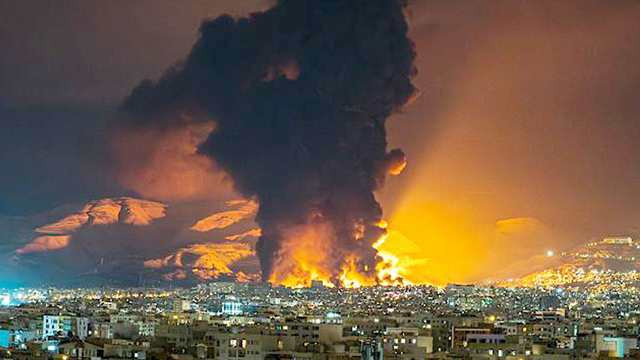
The United States is reportedly considering transferring Iranian assets to help finance repairs and reconstruction in Gulf allied nations affected by Iranian attacks, according to a source familiar with the matter. The plan comes as Iran has recently launched fresh attacks on Kuwait and Bahrain.
The source said U.S. Treasury Secretary Scott Bessent has already instructed a team to assess the financial damage caused by Iranian attacks on Gulf allies. The initiative would also consider using Iranian assets to cover the costs of repairing any future damage resulting from attacks by Tehran.
The report emerged a day after Mohsen Rezaei, an adviser to Iran’s Supreme Leader, told CNN that one of the conditions for a peace agreement to end the three-month conflict is the release of $24 billion in Iranian assets currently frozen by the United States.
However, the source did not specify what types of Iranian assets the Treasury Department is reviewing for potential use in reconstruction efforts. Comments from Bessent suggest that the plan may extend beyond assets that have already been seized.
Analysts warn that the threat of redirecting Iranian assets could place additional strain on the fragile ceasefire between Washington and Tehran. The truce has already come under pressure amid renewed exchanges of attacks between the two sides.
Meanwhile, a Pakistani minister involved in mediating peace talks arrived in Tehran on Thursday. According to Iran’s semi-official ISNA news agency, the minister delivered a letter to Supreme Leader Ayatollah Mojtaba Khamenei.
Earlier in the day, U.S. forces carried out strikes on Iranian coastal radar installations located on the islands of Goruk and Qeshm in the Strait of Hormuz. The attacks followed the interception of several Iranian drones. U.S. Central Command (CENTCOM) said the drones posed a threat to maritime navigation. The U.S. military later reported shooting down two additional Iranian drones it considered a danger to shipping traffic in the strategic waterway.
In response, Iran’s Islamic Revolutionary Guard Corps (IRGC) announced retaliatory strikes targeting U.S. military bases in Kuwait and Bahrain. Kuwait’s military stated that it intercepted seven ballistic missiles that flew over residential areas. While some infrastructure suffered damage, no casualties were reported.
In Bahrain, warning sirens sounded across parts of the country, and residents were advised to seek shelter. Both Kuwait and Bahrain condemned the attacks.
Iran later claimed responsibility for ballistic missile strikes against U.S. bases in both countries. The U.S. military, however, said six of the missiles were intercepted before reaching their targets and that the seventh failed to hit its intended destination.
The United States and Iran remain engaged in indirect negotiations aimed at reaching an interim agreement to halt the three-month conflict. Under the proposed arrangement, complex issues such as Iran’s nuclear program would be deferred to future discussions.
Despite ongoing diplomatic efforts, no breakthrough has been achieved as sporadic clashes continue between the two sides.
Tehran has demanded access to billions of dollars in oil-export revenues, easing of sanctions on crude oil exports, the removal of U.S. restrictions on Iranian ports, and international recognition of its control over the Strait of Hormuz as part of any broader settlement.