৮ কার্তিক ১৪৩৩



Federal Judge Strikes Down Trump’s $100,000 H-1B Visa Fee
09 June 2026 22:06 PM
NEWS DESK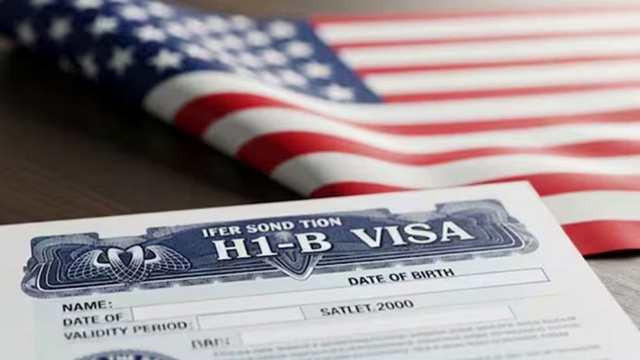
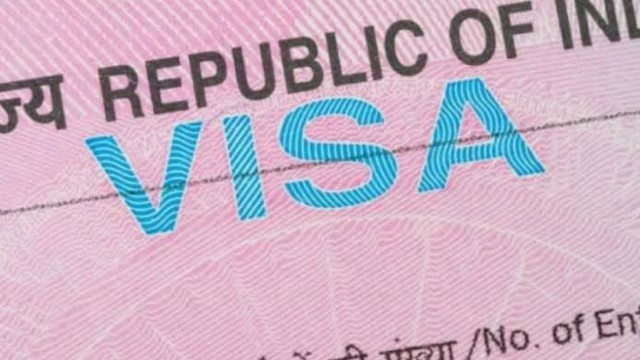
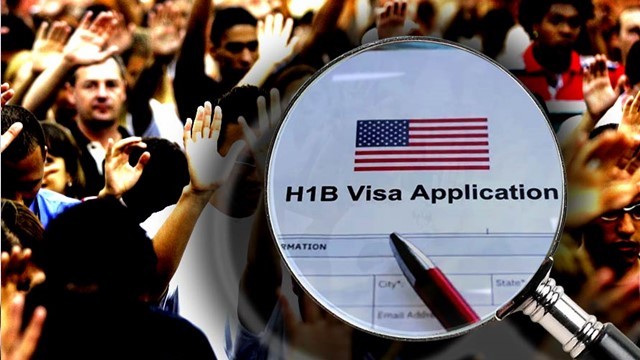
A federal judge has struck down former U.S. President Donald Trump’s $100,000 fee on H-1B visas for highly skilled foreign workers, ruling that the charge amounted to an unauthorized tax that could not be imposed without congressional approval.
According to Reuters, U.S. District Judge Leo Sorokin in Boston issued the ruling on Monday following a lawsuit filed by attorneys general from 20 Democratic-led states. Trump had announced the new $100,000 fee for H-1B visas in September last year, dramatically increasing the cost of obtaining the work permit.
The fee would have significantly affected technology companies and other employers that rely heavily on skilled foreign workers.
In court, the Trump administration argued that the payment was not a tax but a lawful financial penalty. Government lawyers maintained that federal immigration law grants the president broad authority to restrict the entry of foreign nationals deemed contrary to U.S. interests, and that the fee fell within that authority.
Judge Sorokin rejected that argument, concluding that the nature and practical effect of the $100,000 payment clearly made it a tax, regardless of how it was labeled.
“Changing the name of the payment does not alter its character,” the judge wrote, ruling that Trump lacked the authority to impose such a tax without congressional authorization. He further stated that neither the U.S. Department of State nor U.S. Citizenship and Immigration Services (USCIS) could enforce the fee.
Sorokin, who was appointed by former President Barack Obama, also cited a U.S. Supreme Court ruling issued earlier this year that invalidated broad tariffs imposed by Trump under a national emergency law. The judge said the same legal reasoning applied in the H-1B case, emphasizing that immigration laws do not grant presidents the authority to levy taxes.
Responding to the decision, White House spokesperson Taylor Rogers said the administration remains confident the ruling will be overturned on appeal.
“President Trump has clear legal authority to restrict the entry of any class of foreign nationals he determines is contrary to the best interests of the United States,” Rogers said. “That is exactly what President Trump did.”
Under the H-1B program, the United States issues 65,000 visas annually, with an additional 20,000 visas available for workers holding advanced degrees. The visas typically allow employment in the United States for three to six years.
Before Trump’s fee increase, employers generally paid between $2,000 and $5,000 in filing and processing fees, depending on the circumstances of each application.
When introducing the new fee, Trump argued that the H-1B program had long been used in ways that failed to benefit American workers and instead encouraged employers to hire lower-paid foreign labor. However, the fee did not apply to foreign nationals already in the United States on student visas, a group from which many new H-1B recipients are typically drawn.
The policy saw limited adoption. Court filings submitted in March revealed that USCIS had collected only 85 such fees as of February 15.
Meanwhile, the Trump administration has pursued broader efforts to tighten scrutiny of H-1B applicants and has proposed a new selection system that would prioritize highly skilled and higher-paid workers.
The $100,000 fee has faced multiple legal challenges. At least three separate lawsuits have been filed against the measure, including one by the U.S. Chamber of Commerce. The organization has appealed a ruling issued by a Washington, D.C., judge last December that rejected its challenge to Trump’s authority to impose the fee.
California Attorney General Rob Bonta, who led the coalition of states challenging the policy, welcomed the court’s decision. He said eliminating the “illegal and costly” fee would benefit the U.S. economy by helping employers attract and retain highly skilled workers who contribute to economic growth and help meet critical labor market demands.