৭ আশ্বিন ১৪৩৩



Trump’s Remarks Complicate Vance’s Diplomatic Efforts in Ongoing Iran Talks
24 June 2026 05:06 AM
NEWS DESK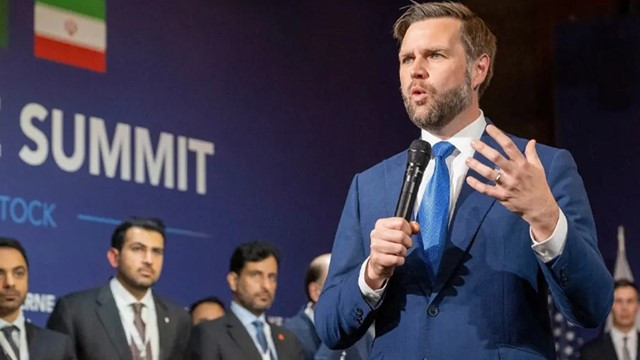
As negotiations between the United States and Iran continue, Vice President J.D. Vance faces growing diplomatic challenges amid a series of comments and threats from President Donald Trump, which analysts say risk complicating efforts to secure a long-term agreement.
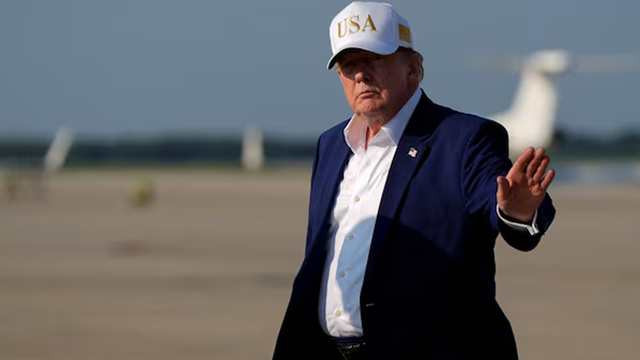
During weekend discussions with Iranian representatives, Trump renewed threats of military action and warned that if Iran were to close the Strait of Hormuz, Iranian negotiators engaged in talks with Vance might not be able to return home.
The remarks came as Vance sought to advance diplomatic efforts aimed at reducing tensions and laying the groundwork for a broader agreement between Washington and Tehran.
Speaking at a news conference on Monday, Vance described the initial round of talks as “a successful foundation” for peace. However, he acknowledged the challenges of navigating a conflict he has opposed from the outset while balancing the unpredictable dynamics of U.S. domestic politics and negotiations with Iranian officials.
Vance said the United States had informed Iranian negotiators that President Trump would respond if Tehran made what Washington considered provocative or misleading public statements.
The two sides have already signed a memorandum of understanding and are now working toward a comprehensive nuclear agreement within a 60-day timeframe.
The negotiations carry significant political implications for Vance, who is widely viewed as a potential contender for the Republican presidential nomination in 2028.
Last week, Trump jokingly remarked that he would claim credit if the talks succeeded but would blame Vance if they failed. Although Vance dismissed the comment as humor, political observers note that the outcome of the negotiations could have lasting consequences for his political future.
According to analysts, a successful agreement could strengthen Vance’s standing as a capable diplomat. Conversely, critics may portray him as responsible for a deal that grants substantial economic concessions to a long-standing U.S. adversary.
Karim Sadjadpour, a senior fellow at the Carnegie Endowment for International Peace, described Vance’s position as particularly difficult.
“If he helps end the conflict, he could receive significant credit,” Sadjadpour said. “But he also risks being viewed as the architect of a deal that provides billions of dollars in relief to a government many Americans regard as a strategic rival.”
Beyond coordinating with the White House and Iranian negotiators, Vance must also contend with the influence of Iran’s powerful Islamic Revolutionary Guard Corps (IRGC), whose relationship with the United States has remained hostile for decades.
The latest round of talks in Switzerland also revealed continuing differences between the two sides. Vance said Iran had agreed to invite United Nations nuclear inspectors into the country. Iranian officials later responded that they had made no new commitments on that issue.
Vance additionally outlined a proposed financial arrangement under which Qatar would release frozen Iranian assets, allowing Iran to purchase American agricultural products such as soybeans, corn, and wheat. Trump later endorsed the same proposal, stating that food for the Iranian people should be purchased from U.S. farmers.
Iranian officials, however, reportedly rejected the proposal, maintaining that the released funds should instead be used for domestic infrastructure reconstruction.
Conflicting public statements from both Washington and Tehran have become a recurring feature of the negotiations in recent weeks, as officials attempt to balance diplomatic progress with domestic political considerations.
Despite the public disagreements, Vance expressed confidence that talks remain on track.
Before departing Switzerland aboard Air Force Two, he told reporters that not everything appearing on Iranian social media should be taken at face value and suggested that some messages may be intended to influence the negotiations.
“We feel like we’re making progress,” Vance said.
Meanwhile, Trump has continued to assess potential successors within the Republican Party, frequently comparing Vance with Secretary of State Marco Rubio. Rubio is expected to engage with U.S. allies in the Gulf region this week regarding the Iran negotiations.
Asked about the performance of both officials, Trump praised them during remarks on Monday, describing Rubio as an outstanding Secretary of State and calling Vance “extremely smart,” adding that he had done “a great job” during his recent appearances related to the talks.