৬ আশ্বিন ১৪৩৩



From Carter to Trump: Four Decades of Washington Failing to Decipher Tehran
07 August 2026 05:08 AM
NEWS DESK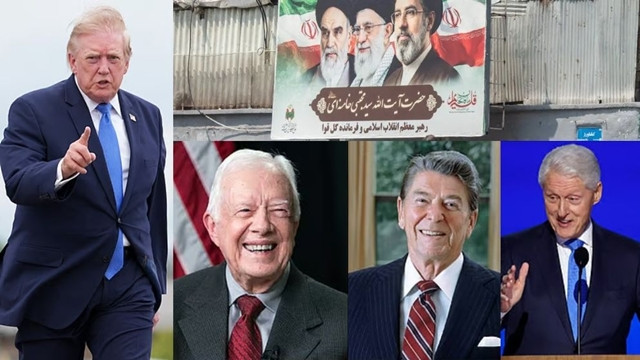
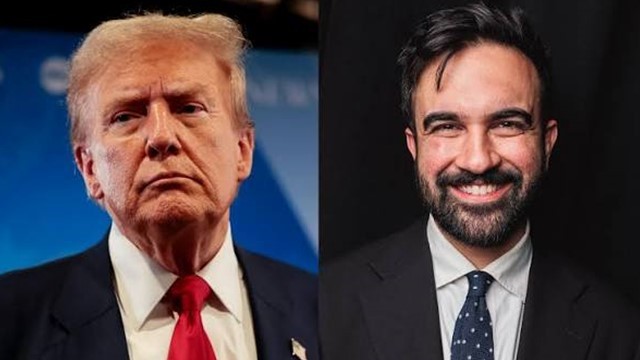
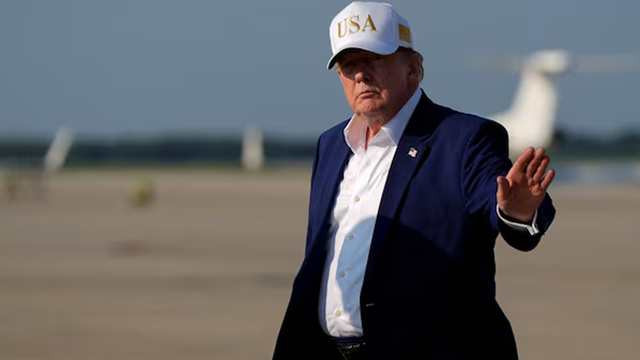
President Donald Trump’s recent sharp outburst accusing Iran of being "unbelievably treacherous" underscores a persistent historical trend: Washington’s four-decade-long struggle to comprehend Tehran’s complex political machinery.
According to an extensive analysis published by The New York Times, nearly every American administration since the 1979 Islamic Revolution—from Jimmy Carter to Donald Trump—has consistently failed to correctly gauge the psychological and institutional resilience of Iranian leadership.
Former CIA analyst Kenneth Pollack and Brookings Institution Foreign Policy Director Suzanne Maloney noted that American policymakers continuously underestimate the deep-seated ideological commitment and institutionalized power structure of the Islamic Republic. Historical miscalculations span across eras, including Jimmy Carter's failed hostage negotiations in 1980, Ronald Reagan's infamous Iran-Contra scandal, and Bill Clinton's unsuccessful outreach toward reformist President Mohammad Khatami. Even Barack Obama’s signature 2015 nuclear agreement failed to achieve long-term diplomatic normalization, particularly after Trump unilaterally withdrew from the deal in 2018 to enforce a "maximum pressure" campaign that ultimately yielded little strategic leverage.
The ongoing military escalation further illustrates Washington's limited influence over Iranian domestic politics. Following the death of Supreme Leader Ali Khamenei during military strikes in February, expectations of a domestic uprising or a more compliant regime evaporated as Tehran swiftly appointed his son, Mojtaba Khamenei, maintaining a rigid stance. Senior diplomat Dennis Ross warned that Iranian strategists effectively exploit Washington's impatience and election-driven timelines, allowing Tehran to consistently stay one step ahead in high-stakes diplomatic maneuvering.