১৯ আশ্বিন ১৪৩৩



Millions Gather as Begum Khaleda Zia is Laid to Rest in Historic State Janaza
01 January 2026 04:01 AM
NEWS DESK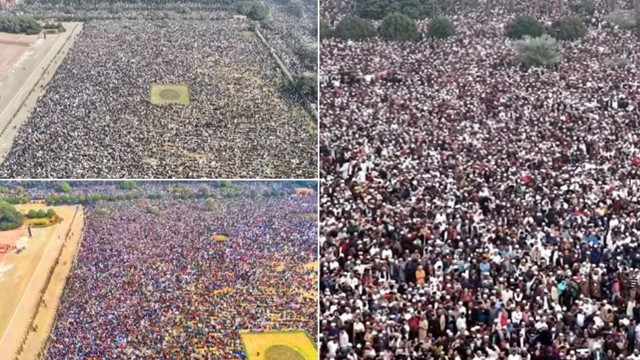
Millions of people attended the funeral prayer (janaza) of Bangladesh Nationalist Party (BNP) Chairperson and former Prime Minister Begum Khaleda Zia, making it the largest funeral ever held for a Muslim woman in history, according to widespread estimates.
The janaza was held on Wednesday at 3:03 pm (Bangladesh time) at the South Plaza of the Jatiya Sangsad (National Parliament) building.
Begum Khaleda Zia was the first woman Prime Minister of Bangladesh and the second woman Prime Minister in the Muslim world. She earned a reputation as an uncompromising leader for her lifelong struggle against autocracy and for democracy and people’s rights. For her role in democratic movements, she was widely revered as the “Mother of Democracy” and a national leader.
Chief Adviser Dr. Muhammad Yunus, members of the Advisory Council, chiefs of the three armed forces, BNP Secretary General Mirza Fakhrul Islam Alamgir, senior BNP leaders, leaders of various political parties, foreign diplomats, and millions of party activists and citizens attended the janaza. The prayer was led by the Khatib of Baitul Mukarram National Mosque.
From Manik Mia Avenue to several surrounding kilometers, crowds gathered from early morning, leaving no space to stand. Observers believe this was not only the largest funeral in Bangladesh’s history but also one of the largest in the Muslim world in modern times.
Earlier, Khaleda Zia’s body, draped in the red-and-green national flag, was brought to the South Plaza of the National Parliament shortly after 11:30 am. Speeches delivered by her during her tenure as Prime Minister and Leader of the Opposition were broadcast at the funeral venue.
Before that, at around 9:15 am, her body was taken from Evercare Hospital in Dhaka to the Gulshan residence of her elder son, BNP Acting Chairman Tarique Rahman. Sitting beside the coffin, Tarique Rahman recited verses from the Holy Quran.
People attending the janaza said that the massive turnout reflected the nation’s gratitude for Begum Khaleda Zia’s lifelong struggle for the rights of the people. Many described the gathering as not just a sea of people, but a “vast ocean of humanity,” unprecedented in the country’s history.
They said her 45-year-long political struggle and contributions would remain immortal in Bangladesh’s history, and that she left behind an enduring example of leadership and popular support.
The funeral procession moved from Gulshan to Manik Mia Avenue earlier in the day. The convoy included vehicles adorned in red and green. Tarique Rahman, his wife Dr. Zubaida Rahman, their daughter Zaima Rahman, family members including the wife of her late younger son Arafat Rahman Koko, as well as BNP Standing Committee members and relatives, were present.
Begum Khaleda Zia’s body was taken from Evercare Hospital to her Gulshan residence for the final time on Wednesday morning, where family members and party leaders paid their last respects.
The janaza was held after Zuhr prayers on Wednesday at Manik Mia Avenue. She will be buried with full state honors beside the grave of her husband, late President Ziaur Rahman.
From Tuesday night, BNP leaders and activists began gathering around the Parliament area. Following the news of her death, supporters traveled to Dhaka from across the country by bus, train, launch, and private vehicles to catch a final glimpse of their leader.
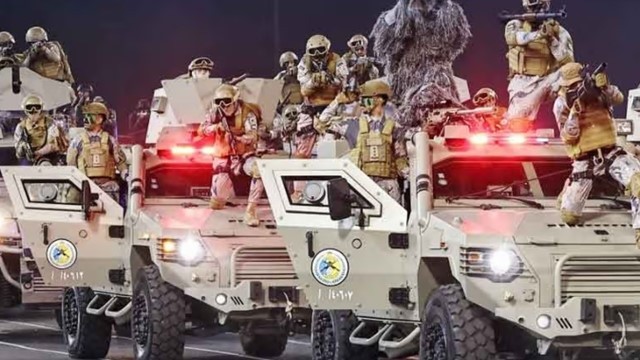
To ensure security and smooth conduct of the funeral, 27 platoons of the Border Guard Bangladesh (BGB) were deployed at Manik Mia Avenue and other key areas of the capital.
Begum Khaleda Zia passed away at 6:00 am on Tuesday at Evercare Hospital in Dhaka while undergoing treatment. The government has declared three days of state mourning from Wednesday to Friday (December 31, January 1, and January 2). A nationwide public holiday was also observed on Wednesday.
The death of the uncompromising national leader has left the entire nation of Bangladesh in deep mourning.