২৫ আশ্বিন ১৪৩৩



Dhaka and New Delhi Look to Reset Ties, Says Bangladesh Foreign Minister Khalilur Rahman
12 April 2026 04:04 AM
NEWS DESK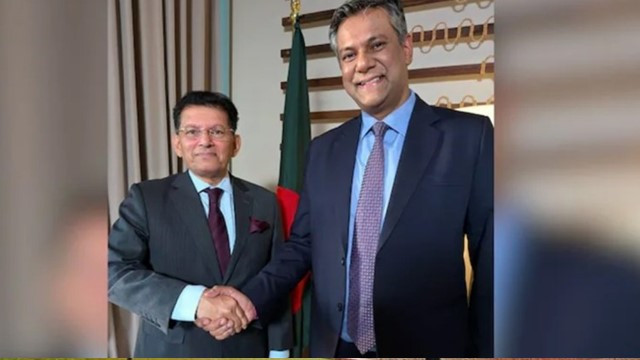
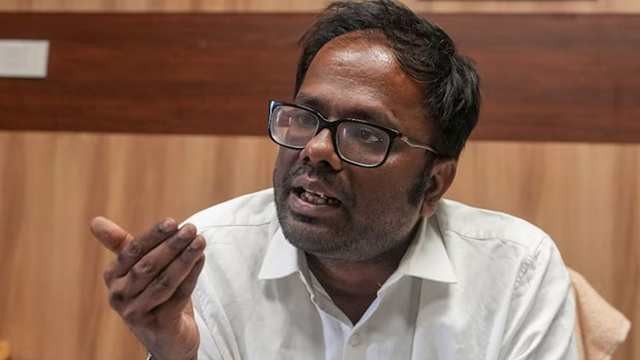
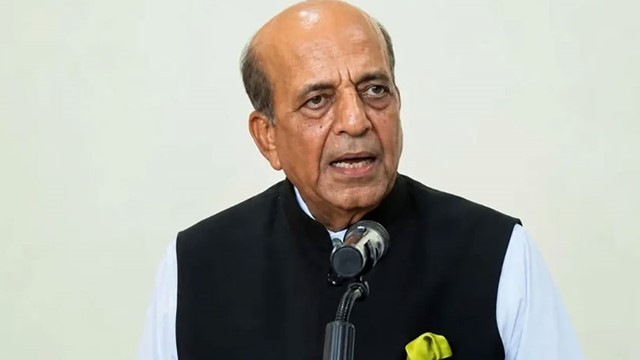
Relations between India and Bangladesh are not starting from zero, but are instead being built on a long historical foundation shaped by shared rivers, a common border, and deep cultural ties, said Bangladesh Foreign Minister Khalilur Rahman in an interview with NDTV.
He made the remarks following the formation of a new government in Bangladesh led by Prime Minister Tareque Rahman, saying the future of bilateral relations should be viewed through the lens of “slow but steady” progress.
Recalling a symbolic moment during Bangladesh’s National Day celebrations in New Delhi on March 26, he noted that both countries’ national anthems were performed live, describing it as a reflection of strong mutual respect and engagement.
Rahman said he observed a “sense of convergence” in New Delhi, where both sides appeared willing to engage in dialogue and take initiatives to improve relations. He emphasized that rebuilding trust would require patience rather than haste.
On energy cooperation, he highlighted that both countries are already working together to address global supply chain pressures caused by instability in the Middle East. He noted that Bangladesh has been experiencing energy constraints, and India has responded quickly when approached.
He added that there is an existing pipeline arrangement under which India supplies diesel to Bangladesh, and described energy cooperation as a key indicator of the next phase of bilateral relations.
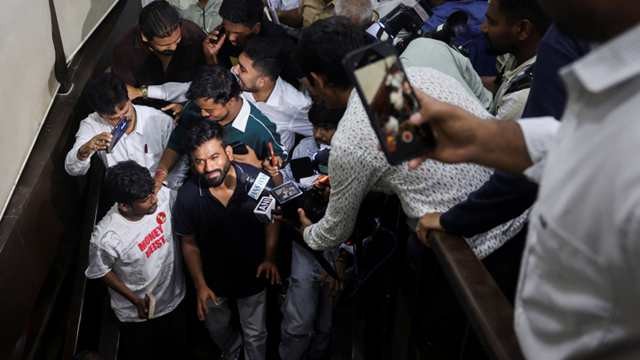
Rahman recently visited New Delhi and met Indian Foreign Minister S. Jaishankar and other senior officials before traveling to Mauritius, where he gave the interview.
He said Bangladesh had requested increased diesel supplies ahead of his Mauritius visit. While logistical constraints exist, India has indicated that additional supply may be considered after meeting its domestic needs.
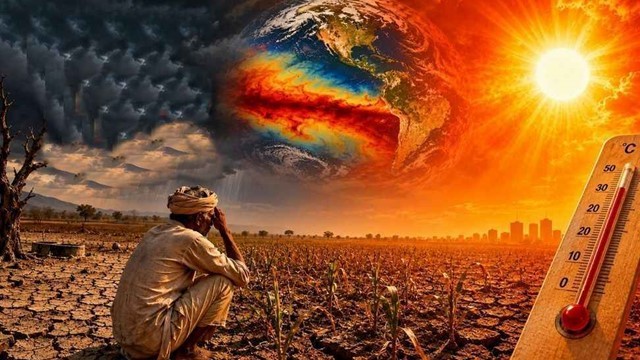
The 1996 Ganges Water Sharing Treaty is due for review this year, which Rahman described as a “civilizational bond” requiring fair and climate-resilient water distribution. He stressed that rivers like the Ganges are central to livelihoods on both sides of the border.
He expressed optimism that goodwill seen in New Delhi could evolve into a stronger institutional framework, adding that climate resilience cooperation could shape bilateral ties for the next three decades.
Rahman also emphasized the importance of people-to-people connectivity and easier visa regimes, noting that both countries face similar climate challenges.
On broader foreign policy, including relations with China, he said Bangladesh does not view international relations as a zero-sum game and expects the same approach from partners. He added that trade deficits are driven by market forces rather than strategic positioning.
He concluded that economic complementarity, cross-border connectivity, and joint infrastructure development should benefit people on both sides, describing India not as an external partner but as a “structural presence” essential to Bangladesh.