[email protected] শনিবার, ২৩ মে ২০২৬
৯ জ্যৈষ্ঠ ১৪৩৩

Sheikh Hasina Wants to Return to Bangladesh Despite Death Sentence: Report

23 May 2026 22:05 PM

NEWS DESK

File Photo

Deposed former prime minister Sheikh Hasina is willing to return to Bangladesh and face trial despite having been sentenced to death, according to several leaders of the Awami League who recently met or spoke with her online.

A report published by Times of Bangladesh said party leaders have also been instructed to prepare supporters for Hasina’s possible return to the country.

However, political analysts have described the claims as a political strategy aimed at energising party activists rather than an indication of an imminent return.

Hasina fled to India on August 5, 2024, following a mass uprising that ended her government’s rule. Since then, she has been living in India while facing multiple cases in Bangladesh, including charges of crimes against humanity and genocide.

Bangladesh’s International Crimes Tribunal later sentenced Hasina and former home minister Asaduzzaman Khan Kamal to death in a case linked to alleged crimes against humanity.

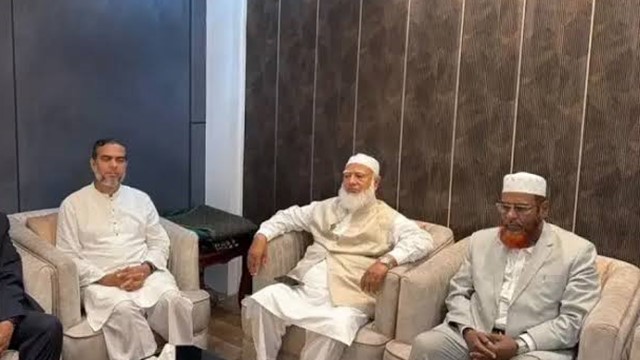
Awami League Joint General Secretary A F M Bahauddin Nasim told Times of Bangladesh that Hasina wants to return “as soon as possible.”

“We are taking the necessary preparations for her return. She left for India under difficult circumstances, and she will return to the country with dignity,” he said.

When asked whether such statements were realistic or merely intended to motivate party workers, Nasim said preparations were underway to organise large public gatherings upon her return.

He added that Hasina wanted to stand beside party leaders and activists who were currently facing legal cases, arrests and financial hardship.

A Europe-based Awami League leader, speaking anonymously after meeting Hasina recently, claimed the former prime minister was prepared to face trial in Bangladesh despite the death sentence against her.

According to the report, the matter has already been communicated to the Indian government, and Hasina may seek a travel pass from the Bangladesh High Commission in New Delhi before August 15.

The leader also claimed that during a recent Telegram group call with party members, Hasina said she had only a few years left to live and would have “no regret” even if she had to face the gallows for democracy after returning home.

Following her departure from Bangladesh, the Awami League’s top leadership became fragmented, with many leaders reportedly leaving the country.

The interim government led by Muhammad Yunus suspended the Awami League’s political activities through an executive order on October 27 last year. Later, parliament passed legislation formally banning the party’s political activities, placing the organisation under further pressure.

The report said Hasina has continued to hold meetings with party leaders from India under security arrangements provided by Indian authorities, urging party members to remain united.

Senior Awami League leader Jahangir Kabir Nanak has reportedly been tasked with mobilising grassroots supporters across the country.

Meanwhile, Bangladesh’s home minister told reporters at the Secretariat on Thursday that the government had formally requested India to return Hasina under existing bilateral agreements so she could face trial in Bangladesh.

Political scientist Dilara Chowdhury dismissed the possibility of Hasina’s immediate return, saying the statements appeared aimed at keeping party activists motivated.

“Sheikh Hasina survived politically for years through strong rhetoric. Even now, she is trying to encourage her supporters in the same way. I do not see any credible indication that she will actually return soon,” she said.

Former International Crimes Tribunal chief prosecutor and senior Supreme Court lawyer Tajul Islam said that if Hasina returned, she would first have to surrender in the ICT case and face multiple other charges, including corruption, enforced disappearances and killings.

He also questioned whether Hasina would genuinely return to face the cases after remaining outside the judicial process for so long, describing the development as “political posturing.”


Comments Here:

Related Topic