১০ আশ্বিন ১৪৩৩



Indirect Talks Begin Between US and Iran in Oman Amid Rising Tensions
08 February 2026 06:02 AM
NEWS DESK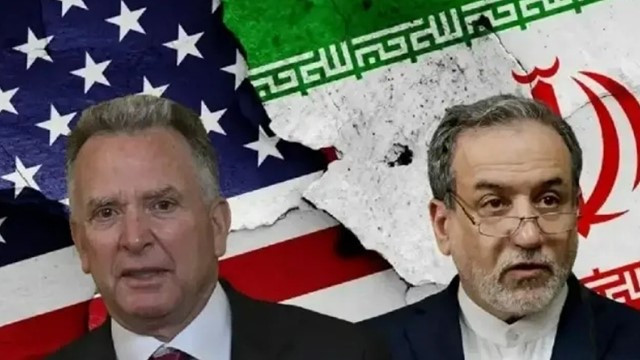
Indirect talks between United States and Iranian officials have begun in Oman, marking the first such engagement following months of heightened regional tensions. The Iranian delegation is being led by Foreign Minister Abbas Araghchi, while the US side is headed by Steve Witkoff, Special Envoy of former President Donald Trump.
Flight tracking data indicated that a US Air Force aircraft, typically used to transport senior military commanders, landed in Muscat earlier on Saturday. Prior to the talks, a senior US official, speaking on condition of anonymity, confirmed that Admiral Brad Cooper, head of the US Central Command, is also part of the American delegation.
The talks come after Iran and Israel were involved in a 12-day conflict last June, during which the United States carried out strikes on Iranian nuclear facilities, claiming that numerous uranium-enrichment centrifuges were destroyed. Israeli attacks during the same period reportedly damaged Iran’s air defense systems and ballistic missile capabilities. This meeting is expected to be the first direct engagement between officials of the two countries since those events.
An Iranian Foreign Ministry spokesperson said the objective of the talks is to reach a “fair, mutually satisfactory, and dignified agreement on the nuclear issue.” However, the actual scope of the discussions remains unclear, as the Trump administration is reportedly pushing to include issues beyond Iran’s nuclear program—despite Tehran’s strong objections.
Ahead of the meeting, Foreign Minister Araghchi said Iran is pursuing diplomacy “with eyes wide open”, drawing lessons from the past year. In a post on X (formerly Twitter), he stated that Iran is entering the talks in good faith while remaining firm on its rights. “Commitments must be honored,” he wrote, adding that equality, mutual respect, and mutual interests are not rhetorical slogans but essential foundations for a sustainable agreement.
Both sides remain entrenched in their respective positions, though observers say progress in these talks could pave the way for broader negotiations in the future.
The United States has demanded that Iran suspend its nuclear program and reduce its stockpile of enriched uranium. Washington has also insisted that discussions include Iran’s ballistic missile program, its support for regional armed groups, and its human rights record. Iran, however, has maintained that the talks should be strictly limited to the nuclear issue. It remains unclear how much ground has been bridged on these differences. Former President Trump has warned of air strikes on Iran if a deal is not reached soon.
Senior US officials, including Secretary of State Marco Rubio, have said that nationwide protests in Iran last month pose the most serious challenge to the country’s leadership since the 1979 Islamic Revolution. Reports indicate that security forces, in their crackdown on protests against the rule of 86-year-old Supreme Leader Ayatollah Ali Khamenei, have killed thousands and detained more than ten thousand people.
Amid this backdrop, President Trump has renewed military threats, while the United States has deployed additional warships and fighter jets to the Middle East, including the aircraft carrier USS Abraham Lincoln. Analysts believe Washington now has the capability to launch a large-scale military operation against Iran, though there is uncertainty over whether military action alone could force policy change or lead to regime collapse.
Meanwhile, Gulf Arab states fear that any attack on Iran could escalate into a wider regional war. US forces have already shot down an Iranian drone near the USS Abraham Lincoln, while Iran has attempted to stop a US-flagged vessel in the Strait of Hormuz.
According to Alissa Pavia, a researcher at the Atlantic Council, President Trump is attempting to corner Iran into negotiations. She said Iran is currently in a weakened position due to years of proxy conflicts, economic strain, and internal unrest, and that the United States is seeking to leverage this situation to extract concessions in a nuclear agreement.