২২ আশ্বিন ১৪৩৩



Temporary Middle East Ceasefire Highlights Iran-China Push to Challenge Dollar Dominance
09 April 2026 05:04 AM
NEWS DESK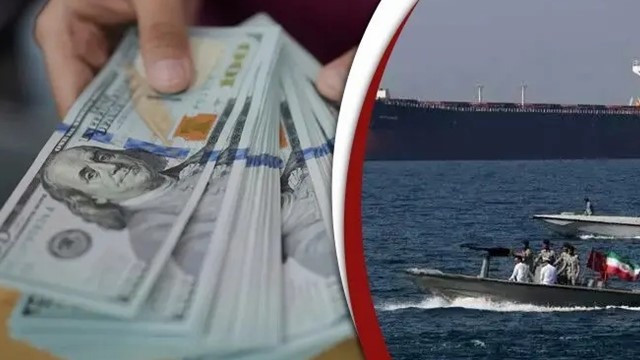
After 39 days of intense conflict between the United States, Israel, and Iran, a two-week ceasefire has been declared in the Middle East.
While hostilities are on pause, the conflict’s economic reverberations continue to impact global markets. Leveraging this moment, Iran and China have highlighted a longstanding concern: reducing the dominance of the U.S. dollar in international finance.
The dollar remains deeply entrenched in global trade, especially in energy markets. In 2023, nearly 80% of global oil transactions were conducted in U.S. dollars. Iran and China argue that the United States wields the dollar as a political tool to exert pressure on rival nations.
A new economic strategy has emerged around the strategic Strait of Hormuz, through which roughly one-fifth of the world’s oil and liquefied natural gas flows. Reports indicate that Iran has begun imposing a “toll” on certain commercial vessels passing through the strait, with fees payable in China’s yuan. Shipping sources say at least two ships settled their tolls in yuan by the end of March. China’s Ministry of Commerce has indirectly acknowledged these developments, and Iranian diplomats have even called for integrating the “Petroyuan” into global oil markets.
Analysts describe this initiative as a “win-win” for both nations. It allows them to circumvent U.S. sanctions by operating outside dollar-based systems, while simultaneously reducing transaction costs and streamlining bilateral trade. Their economic ties have deepened under the 25-year strategic partnership agreement signed in 2021.
China is now Iran’s largest buyer of crude oil, acquiring nearly 80% of its output, often transacted in yuan. In return, Tehran imports substantial quantities of machinery, electronics, and industrial goods from China.
Despite these steps, the yuan is not yet a major competitor to the dollar. Strict capital controls in China limit its convertibility, and international confidence in China’s financial transparency and predictability remains cautious. According to International Monetary Fund data, the U.S. dollar still accounts for about 57% of global foreign exchange reserves, while the yuan represents only around 2%. In 2024, just 3.7% of global trade was settled in yuan.
Experts note that this initiative will not immediately “de-dollarize” the system but could gradually reduce U.S. dollar influence. If Gulf countries begin accepting yuan in the future, the shift could accelerate. While the use of yuan in the Strait of Hormuz remains limited, it is a symbolic and strategic move with potential long-term implications for global economic balance.