২২ আশ্বিন ১৪৩৩



Trump Administration Announces Major Change to U.S. Green Card Process
24 May 2026 07:05 AM
NEWS DESK
The United States Citizenship and Immigration Services (USCIS) has announced a major policy change requiring many foreign nationals living in the United States to return to their home countries in order to apply for permanent residency, commonly known as a green card.
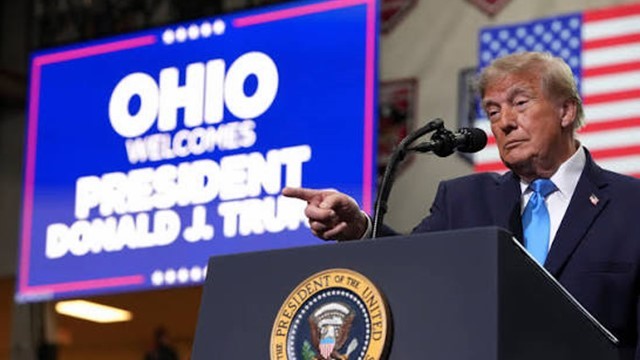
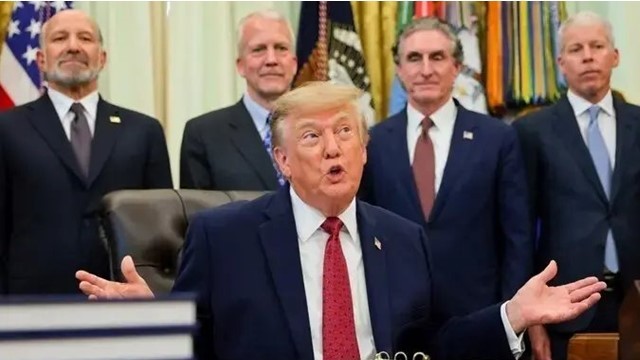
The decision, announced by the administration of U.S. President Donald Trump, has sparked concern among immigrants, immigration lawyers, and advocacy organizations.
For more than 50 years, many foreign nationals legally residing in the United States were allowed to complete the green card process from within the country. This included people married to U.S. citizens, holders of work and student visas, refugees, and asylum seekers.
However, USCIS said that foreigners temporarily staying in the United States who wish to become lawful permanent residents must now return to their home countries to apply unless they qualify under “exceptional circumstances.” USCIS officials will determine whether applicants meet those exceptions.
In a statement, the agency said that non-immigrants such as students, temporary workers, and tourists come to the United States for a limited time and a specific purpose. According to USCIS, temporary visits should not serve as the first step toward obtaining a green card.
The announcement comes as the Trump administration continues tightening immigration policies and limiting legal pathways for foreigners seeking to remain in the United States.
Doug Rand, who served as a senior adviser to USCIS during the administration of former President Joe Biden, said the administration’s objective was “very clear.”
“They want fewer people to obtain permanent residency because permanent residency creates a pathway to citizenship, and they want to close that pathway for as many people as possible,” Rand said.
He added that around 600,000 people currently apply for green cards each year while living inside the United States.
USCIS has not yet announced when the policy will take effect, whether applicants must remain abroad throughout the entire process, or whether it will affect pending applications.
In an email statement sent to the Associated Press, the agency indicated that individuals providing “economic benefit” or contributing to the “national interest” of the United States may still be allowed to remain in the country during the process. Others, however, would need to apply from abroad.
The administration has already introduced several measures restricting entry into the United States for citizens of multiple countries. Some nations face direct travel bans, while visa processing for others has been suspended.
Immigration experts and lawyers warned that sending applicants back to their home countries could prevent many from returning to the United States, especially if there are security risks or no functioning U.S. embassies available to process applications. For example, the U.S. Embassy in Afghanistan has remained closed since the American military withdrawal in August 2021.
World Relief warned that the policy could create a “Catch-22” situation for families if non-citizen family members are forced to return to countries where immigrant visa processing is unavailable. The organization said such policies could separate families indefinitely.
USCIS described the policy change as a return to the “original intent” of immigration law and an effort to close a perceived “loophole.”
However, immigration lawyers and advocacy groups strongly criticized the move, arguing that many categories of immigrants have long been permitted to adjust their status from within the United States. They also stressed that returning home is impossible for some applicants because of war, persecution, or lack of diplomatic services.
Shev Dalal-Dheini of the American Immigration Lawyers Association said USCIS is attempting to overturn decades of established immigration procedures.
According to Dalal-Dheini, the policy could affect spouses of U.S. citizens, humanitarian immigrants, doctors and professionals on work visas, students, and holders of religious visas. She also noted that waiting times for visa interviews at many U.S. consulates abroad can exceed one year.