২৮ আশ্বিন ১৪৩৩



Major Decisions of Interim Government Were Taken Outside Cabinet: M Sakhawat Hossain
28 February 2026 22:02 PM
NEWS DESK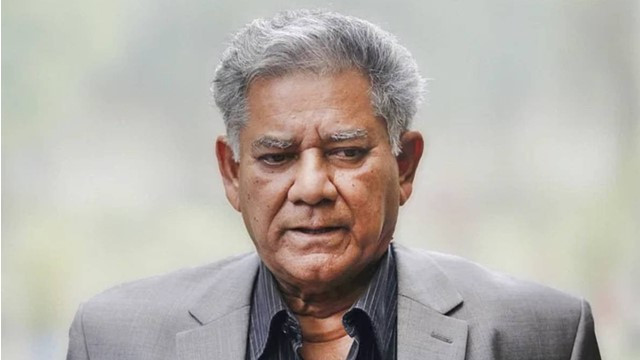
Major decisions of the interim government were made outside the formal cabinet structure, not within it, according to Brigadier (retd) M Sakhawat Hussain, a former adviser to the administration.
In an interview after leaving office, Sakhawat said disagreements within the cabinet were generally limited to minor procedural matters.
“The things we disagreed on were minor issues, like dropping agenda items,” he said. “Unfortunately, major decisions were not taken in the cabinet. They were discussed outside.”
Referring to speculation about the existence of a “kitchen cabinet,” he said he did not know who was part of it. “I want to say unequivocally, I was not there,” he said, adding that he may have been excluded because others assumed he would not agree with certain decisions. “Those who did all this are known to me. I have only heard their names. They were my colleagues.”
Discussing his tenure overseeing the Home Ministry, Sakhawat said police reorganization was his primary objective. At the time, he said, the law and order situation was extremely fragile. Many police stations had been looted and set on fire, and officers were reluctant to return to duty.
“The police had some demands. I spoke to them. After much understanding, they returned to the field,” he said, noting that even traffic police were initially unwilling to resume work.
He revealed that around 4,000 rifles were looted during the unrest. While some were recovered, more than 1,000 rifles and pistols remain missing, posing what he described as a significant security risk.
Asked about his removal, Sakhawat said some of his public remarks were deemed inappropriate in the prevailing context. “What I said was reported in fragments. Now it seems the situation has become worse than that,” he said.
Although he considered resigning, he said interim government chief Muhammad Yunus did not allow it at the time. “I was asked to stay because it would send a bad message if I left within seven or eight days,” he said.
Sakhawat also revisited the controversy over 7.62mm ammunition and Chinese Type-39 rifles. He said the issue remains unresolved and alleged that in video footage of an attack on Ansar members, some individuals were seen firing police rifles.
“These are very deadly weapons. The police are not supposed to have these,” he said, calling for an investigation into when and why such arms were issued. However, he said he could not initiate a probe as he was no longer in charge.
He further claimed to have seen suspicious images of individuals who did not appear to be locals, some allegedly being lifted into helicopters.
On elections, Sakhawat said no poll is ever “100 percent pure,” either in Bangladesh or elsewhere. He noted that Bangladesh Jamaat-e-Islami won 77 seats, calling it a significant development in national politics. He also remarked that voters had been unable to cast ballots freely in three consecutive elections.
Addressing allegations of secret agreements, Sakhawat denied their existence, saying such deals are typically handled through the Bangladesh Investment Development Authority and the PPP Authority Bangladesh. He noted that many agreements include non-disclosure clauses.
He also acknowledged disagreements with the Energy Ministry over the allocation of five percent of an American company’s worker welfare fund.
On foreign influence, Sakhawat said there was pressure in certain areas, particularly trade negotiations. He argued that Bangladesh’s foreign policy had historically been “Delhi-centric,” suggesting that such influence was evident in recent political unrest.
Throughout the interview, Sakhawat outlined concerns about decision-making processes within the interim government, security challenges, arms looting, electoral integrity, investment agreements and external influence on policy.