৬ আশ্বিন ১৪৩৩



UK Adviser Jonathan Powell Saw Real Chance of US–Iran Nuclear Deal Before Strikes
19 March 2026 02:03 AM
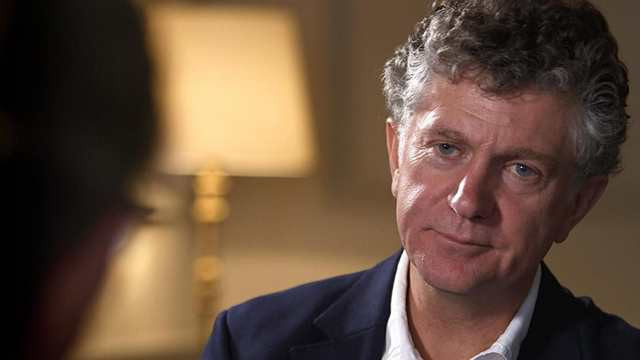
The United Kingdom’s National Security Adviser, Jonathan Powell, participated in final-stage talks between the United States and Iran, where he believed a deal on Tehran’s nuclear program was within reach—potentially avoiding the risk of war.
According to sources familiar with the discussions held in Geneva in late February, Powell described Iran’s proposals as “surprising” and said they created a genuine opportunity for agreement. One key element of the proposal would have allowed the United States to participate in a future civilian nuclear program in Iran.
However, just two days after the talks concluded—and shortly after a follow-up technical meeting in Vienna was scheduled—the United States and Israel launched attacks on Iran, halting diplomatic momentum.
Progress in Geneva Talks
Three separate sources confirmed that Powell was present during the negotiations and had deep insight into their progress. He attended as an adviser at the residence of Oman’s ambassador in Geneva, where indirect talks were mediated.
The US delegation included Jared Kushner and Steve Witkoff. Concerns had been raised about their lack of technical expertise, which reportedly underscored the importance of Powell’s presence.
Kushner and Witkoff invited Rafael Grossi, head of the International Atomic Energy Agency (IAEA), to provide technical support—despite this not being his formal role. Nuclear experts later pointed out that Witkoff made several fundamental errors in his public comments on Iran’s nuclear program.
In contrast, Powell brought his own team of technical experts, including a specialist from the UK Cabinet Office.
Iran’s “Surprising” Proposal
According to a former official briefed on the talks, the Iranian proposals impressed the British delegation. While not a final agreement, they represented significant progress and were not considered Tehran’s last offer.
Iran reportedly agreed to:
-
Reduce its stockpile of 440 kg of highly enriched uranium under IAEA supervision within Iran
-
Commit to not building future stockpiles of highly enriched uranium
-
Suspend domestic uranium enrichment for 3 to 5 years
However, after consulting with Donald Trump, the US delegation pushed to extend the suspension period to 10 years.
Iran also proposed major economic incentives, including allowing US participation in its civilian nuclear program, in exchange for lifting about 80% of sanctions—among them frozen assets in Qatar.
Mediators described the offer to reduce enriched uranium stockpiles to zero as a major breakthrough, suggesting a final agreement was close.
Diplomatic Efforts Cut Short
A follow-up round of talks scheduled for March 2 in Vienna never took place due to the military escalation. Powell had believed a negotiated solution was still achievable, although Iran was not yet fully ready—particularly regarding UN inspections of its nuclear facilities.
Oman’s foreign minister, Badr bin Hamad Al Busaidi, mediated the talks. While it remains unclear why Powell was included, his longstanding ties with the US—especially from his time working under Tony Blair—likely played a role.
UK–US Tensions Rise
The UK government’s reluctance to support the US strikes has led to significant tension between London and Washington. Prime Minister Keir Starmer faced criticism from Trump, particularly for initially refusing to allow US forces to use British military bases.
Later, the UK permitted limited use of bases strictly for defensive purposes after Iran launched retaliatory attacks in the Gulf region.
British officials reportedly found no conclusive evidence of an imminent Iranian missile threat to Europe or proof that Iran was close to acquiring nuclear weapons.
As a result, the UK viewed the strikes as premature and potentially unlawful, maintaining that diplomatic options had not yet been exhausted.
Political Reaction
In Parliament, Plaid Cymru MP Liz Saville Roberts cited reports of Powell’s involvement, arguing that diplomacy was still viable at the time of the attacks.
She questioned whether the US and Israeli strikes were therefore “premature and illegal.”
Responding, Foreign Secretary Yvette Cooper reiterated that the UK had consistently supported diplomatic efforts and believed negotiations should have continued.