৬ কার্তিক ১৪৩৩



Mamdani Strikes a Cautious Tone in Early Weeks as New York City Mayor
21 January 2026 07:01 AM
NEWS DESK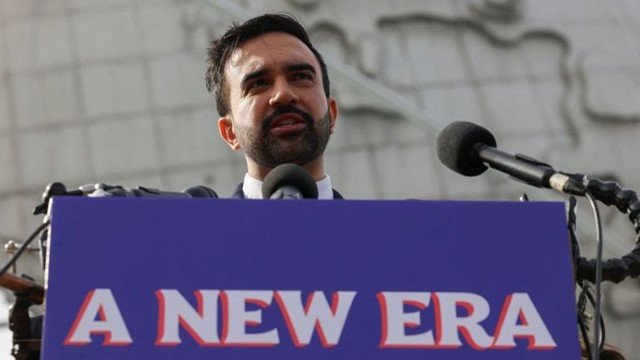
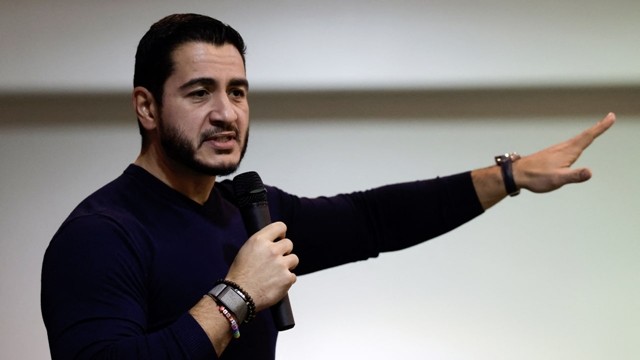
In his first weeks in office, New York City Mayor Zohran Mamdani has adopted a noticeably restrained and calculated approach, signaling a shift from the fiery rhetoric of his campaign to the pragmatism of governing.
In his inaugural address, Mamdani vowed not to compromise his principles out of fear of being labeled “radical.” Yet since taking office, he has often chosen caution in practice. At Governor Kathy Hochul’s State of the State address, Mamdani stood to applaud the governor’s announcement of expanded funding for pre-kindergarten education, even though the plan does not fully align with his campaign pledges. By contrast, he remained seated when Hochul proposed “transformational investments” without raising taxes—despite Mamdani’s long-standing call, shared by his supporters, to increase taxes on the wealthy.
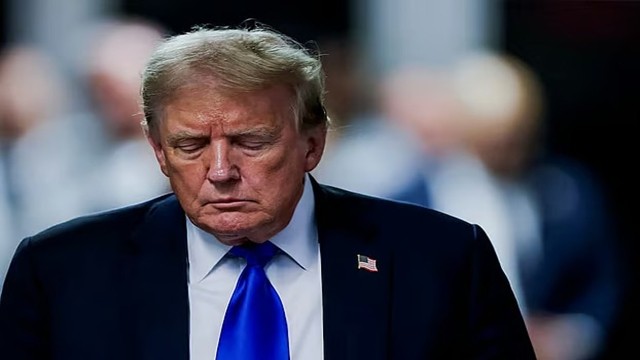
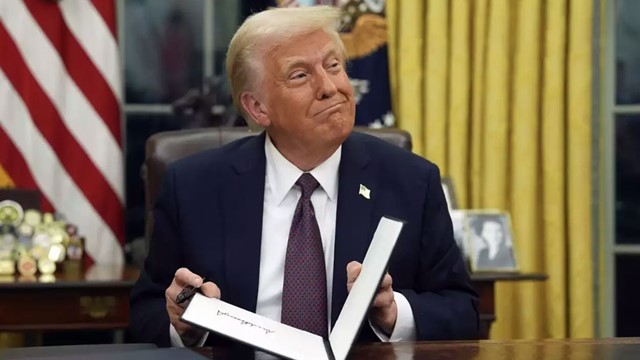
Mamdani’s interactions with national and state leaders have also drawn attention. Following a meeting in the Oval Office, reports of text messages and phone calls between Mamdani and President Donald Trump sparked discussion. At the same time, Mamdani has maintained close contact with Governor Hochul, and cooperation with state leadership has helped deliver some early progress on elements of his ambitious agenda.
Budget constraints, however, may force further compromises. A report from the city comptroller warned of a nearly $2 billion budget gap in the current fiscal year and a potential shortfall of almost $10 billion next year.
So far, Mamdani’s work as mayor has focused largely on conventional administrative matters: attending multiple daily events, issuing policy announcements, overseeing bridge ramp repairs, expanding public restroom access, advancing housing construction, and simplifying business licensing procedures. He and his wife, Rama Duwaji, recently moved from a rent-stabilized apartment in Queens to Gracie Mansion on the Upper East Side.
Both Mamdani and Hochul appear eager to move beyond the long history of tension between New York City mayors and governors. Hochul’s emphasis on child care expansion and fiscal restraint partially overlaps with Mamdani’s campaign promises. Her plan to expand free or low-cost child care statewide could form a foundation for Mamdani’s proposal for universal child care in the city.
Still, Mamdani insists he is not backing away from his call to tax the wealthy. “New York City needs additional, permanent revenue,” he said. “More than one million voters supported raising taxes on the wealthy and large corporations.”
Soon after taking office, Mamdani repealed two executive orders issued by former Mayor Eric Adams—one defining antisemitism and another barring the city’s participation in Israel-related divestment campaigns. The move drew criticism from the Israeli government and some Jewish leaders in New York.
He also faced backlash for a delayed response after videos circulated showing pro-Hamas and inflammatory slogans during a protest outside a Queens synagogue. Mamdani later condemned the language as “wrong,” pledged to ensure security for houses of worship, and reaffirmed the constitutional right to peaceful protest. He subsequently referred to Hamas as a “terrorist organization.”
As a state legislator, Mamdani was a vocal critic of the police. During the mayoral campaign, he expressed regret for some of his past remarks and, after taking office, retained Police Commissioner Jessica Tisch—a decision praised by political moderates.
Following two fatal police-involved incidents in early January, Mamdani again showed restraint, saying he would not reach “premature conclusions” while investigations were ongoing and emphasizing the role of police in public safety. His comments earned praise from Patrick Hendry, president of the Police Benevolent Association.
Political analysts say Mamdani’s early tenure has been defined by rapid “course correction.” Since entering City Hall, he has appeared less impulsive and more deliberate than during the campaign—a transition many observers view as typical for a new mayor adjusting to the realities of power.