২৯ ভাদ্র ১৪৩৩



U.S. Spends Over $12 Billion in War With Iran Since Feb 28, Top Economic Adviser Says
16 March 2026 16:03 PM
NEWS DESK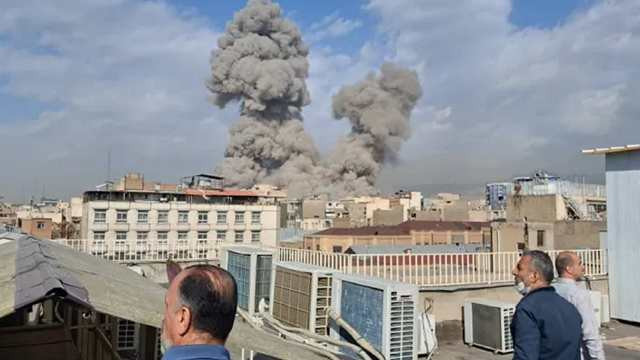
The United States has spent more than $12 billion on the war with Iran since launching joint strikes with Israel on February 28, according to a top economic adviser to President Donald Trump.
The disclosure comes amid growing domestic concerns in the U.S. about the escalating economic impact of the Middle East crisis.
According to a report by Al Jazeera, Kevin Hassett, director of the White House National Economic Council, revealed the figure during an appearance on Face the Nation on CBS on Sunday. Hassett said the amount represented the latest estimate available to him.
During the interview, he had to clarify his remarks after it initially appeared he was referring to the total projected cost of the war. CBS host Margaret Brennan pointed out that more than $5 billion had already been spent on munitions alone in the first week of fighting. Hassett did not directly respond to that challenge.
Despite the rising costs, Hassett dismissed concerns about the war’s impact on the U.S. economy. He said energy futures markets are already signaling expectations of a rapid resolution and a significant drop in oil prices. However, his comments contrast with growing concern among American consumers over rising fuel prices at gas pumps.
Markets remain volatile due to threats from Iran around the Strait of Hormuz, a strategic waterway through which roughly 20 percent of the world’s oil supply passes.
Hassett argued that any disruption to shipping in the Persian Gulf would hurt countries dependent on Middle Eastern oil far more than it would the United States.
“What the Iranians are doing will not damage the American economy,” he said, adding that the situation is different from the 1970s oil crisis because the United States is now a major oil producer. “We have plenty of oil,” he said.
Meanwhile, U.S. Defense Secretary Pete Hegseth warned that the bombing campaign against Iran is about to increase dramatically, suggesting the war’s financial cost is likely to continue rising.
Beyond the financial confusion, uncertainty is also growing over the war’s objectives. The Trump administration’s stated goals have shifted repeatedly—from destroying Iran’s nuclear program, to degrading its missile capabilities, and more recently threatening strikes on oil infrastructure linked to shipping through the Strait of Hormuz.
After a classified Senate briefing earlier this month, Senate Minority Leader Chuck Schumer said he was deeply concerned about “mission creep,” warning that the administration appears to be drifting away from its original objectives.
Schumer described the briefing as “highly unsatisfactory,” saying officials had offered different explanations each day for why the strikes were ordered.
Last week, Senator Chris Van Hollen warned that the United States may have “opened Pandora’s box without any clear idea of what comes next.”
Since the strikes began on February 28, at least 1,444 people have been killed in Iran, while 13 U.S. service members have died and more than 140 have been injured. The conflict has also spread to Lebanon, and several Gulf states have faced Iranian drone and missile attacks.
Amid rising tensions, countries including India have reportedly begun direct discussions with Tehran, bypassing Washington, in an effort to ensure safe passage for their oil tankers through the Strait of Hormuz.