৬ আশ্বিন ১৪৩৩



U.S. and Iran Envoys Head to Switzerland as Efforts Intensify to Turn Interim War Deal into Permanent Regional Agreement
21 June 2026 04:06 AM
NEWS DESK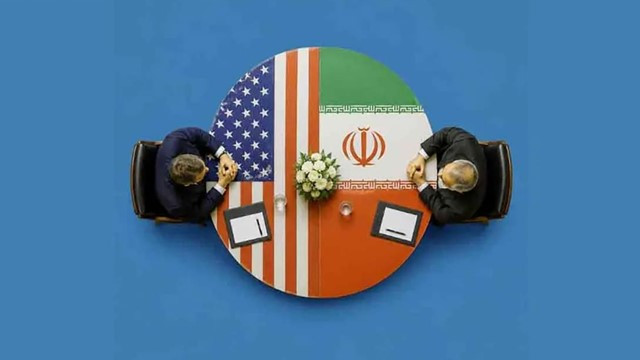
Efforts to transform the interim Iran war agreement into a broader and more permanent regional settlement have gained renewed momentum following the implementation of a ceasefire in Lebanon
U.S. President Donald Trump’s special envoy, Steve Witkoff, and Iranian Foreign Minister Abbas Araghchi are both expected to travel to Switzerland for discussions aimed at advancing the next phase of negotiations.
The talks are expected to take place at the Bürgenstock resort, where technical discussions will focus on implementing and expanding the framework established by a recently signed memorandum of understanding (MoU) between the United States and Iran.
The diplomatic initiative follows a ceasefire agreement between Israel and Hezbollah that took effect on Friday after mediation efforts involving the United States, Qatar, and Iran. U.S. officials, as well as sources from Hezbollah and Israel, have confirmed the ceasefire arrangement, although concerns remain about its long-term durability. Israeli officials have indicated that troops will remain deployed in parts of southern Lebanon despite the truce.
According to reports, the broader U.S.-Iran understanding includes a 60-day period intended to negotiate lasting solutions to contentious issues, including Iran’s nuclear program and regional security concerns. The cessation of hostilities in Lebanon has been viewed as one of the key conditions for moving the process forward.
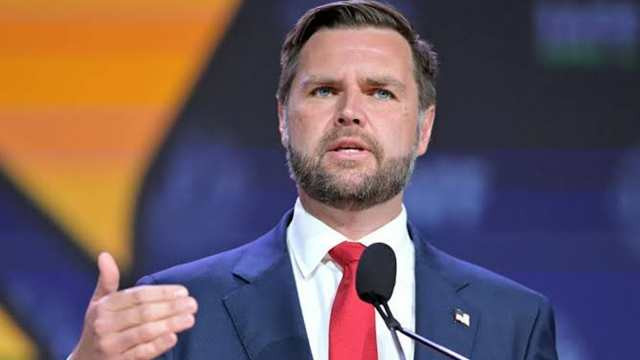
Vice President JD Vance had earlier canceled a planned trip to Switzerland amid renewed fighting between Israel and Hezbollah. However, following the ceasefire, Special Envoy Witkoff reportedly resumed travel plans and is expected to join discussions alongside other senior participants.
Sources familiar with the negotiations say Qatar played a central mediating role in securing the Lebanon ceasefire, with cooperation from Iran. Israeli officials have stated that while the ceasefire is in effect, Israel reserves the right to maintain security positions in southern Lebanon and respond to future threats.
The conflict, which began earlier this year, has resulted in thousands of casualties and widespread destruction across the region. The easing of tensions has already had an impact on global energy markets, with oil prices declining amid expectations of reduced risks to shipping and energy supplies in the region. Analysts have also pointed to improving conditions for commercial navigation through the Strait of Hormuz as a positive sign for international trade.
Under the framework being discussed, Iran could eventually receive sanctions relief and expanded opportunities for oil exports if future commitments are implemented. However, several provisions reportedly remain under negotiation and have not been officially finalized.
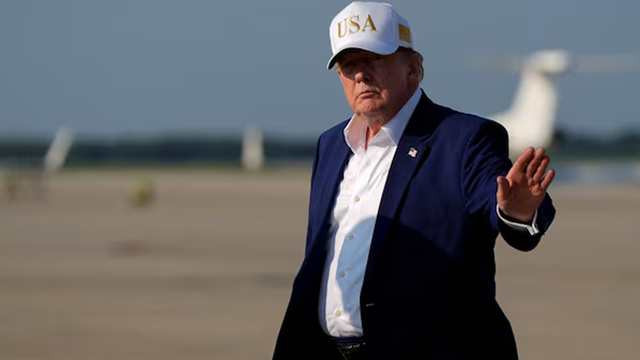
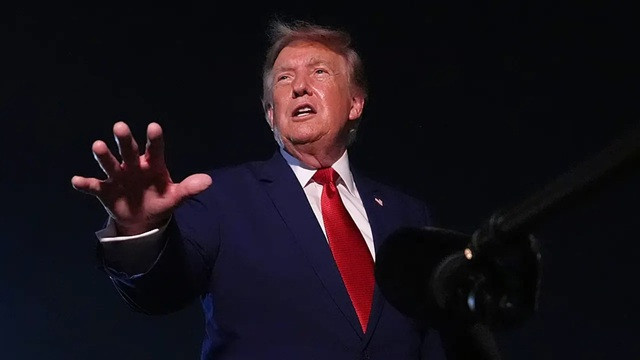
Responding to criticism of the agreement in Washington, President Trump said Iran had been weakened by the conflict and rejected suggestions that the United States had entered the negotiations from a position of weakness.
“We are not the ones desperate for a deal,” Trump wrote on social media. “Iran came to the table. We will monitor developments over the next 60 days.”
Diplomats from both sides hope the upcoming Switzerland discussions will help lay the foundation for a broader regional settlement, though significant challenges remain before a permanent agreement can be reached.