২৩ আশ্বিন ১৪৩৩



India's Strategic Position to Keep Bangladesh Away from China!
10 April 2026 05:04 AM
NEWS DESK
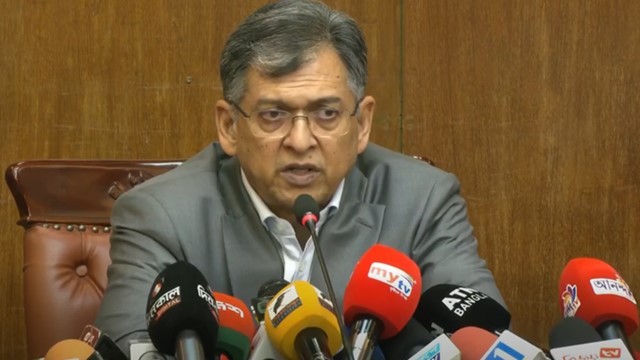
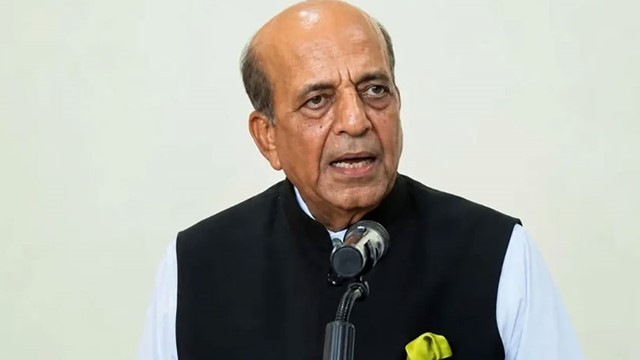
Bangladesh’s Foreign Minister Khalilur Rahman is currently visiting India, where he held a series of high-level meetings aimed at strengthening bilateral cooperation, particularly in energy and fertilizer supply.
On Wednesday, he met with India’s Petroleum and Natural Gas Minister Hardeep Singh Puri at Hyderabad House in New Delhi. Earlier, on Tuesday evening, he held talks with India’s National Security Adviser Ajit Doval. The meetings were attended by Foreign Affairs Adviser to the Prime Minister Humayun Kabir and Bangladesh’s High Commissioner to India Riaz Hamidullah.
During the discussions, both sides emphasized the importance of advancing bilateral relations and exchanged views on key regional and global issues. Minister Khalilur Rahman thanked India for supplying diesel and requested an increase in both diesel and fertilizer exports to Bangladesh. In response, Minister Puri said the Indian government would consider the request positively.
However, questions have emerged regarding Bangladesh’s reliance on India for fertilizer, given India’s own supply challenges. Reports indicate that India faces a fertilizer shortage of around 2.5 million tons and is itself seeking alternative sources, including increased imports from China, due to uncertainties linked to tensions in the Strait of Hormuz.
Indian media reports suggest that security risks and potential disruptions to shipping through the Strait of Hormuz could affect fertilizer imports from the Middle East. As a result, New Delhi is exploring China as an alternative supplier to maintain agricultural production.
Despite this, Bangladesh has continued to seek fertilizer support from India rather than directly engaging China, which analysts note has historically been a key partner for Bangladesh in times of need. Observers point out that China has previously expressed willingness to support Bangladesh in addressing energy shortages.
In a separate statement, India’s Ministry of External Affairs said that Foreign Minister Subrahmanyam Jaishankar reaffirmed India’s commitment to working constructively with Bangladesh’s new government and strengthening bilateral ties. The statement also noted discussions on mutual regional and global interests.
India reportedly assured Bangladesh of cooperation in energy supply, fertilizer exports, and the repatriation of suspects linked to the killing of Osman Hadi. However, questions remain over the implementation of such commitments, as previous assurances—particularly regarding extradition—have yet to be fulfilled.
Analysts warn that overreliance on a single partner could expose Bangladesh to risks during global crises. With India itself navigating supply constraints and geopolitical challenges, the effectiveness of its commitments to Bangladesh remains uncertain.
Meanwhile, India—one of the world’s largest importers of urea—traditionally depends on Middle Eastern suppliers. Ongoing tensions in the Strait of Hormuz have raised concerns over disruptions to global supply chains, potentially impacting not only fertilizer but also energy markets worldwide.
Experts suggest that diversifying supply sources will be crucial for Bangladesh to ensure stability in the face of evolving global uncertainties.