২৩ আশ্বিন ১৪৩৩



US–Iran Ceasefire Raises Questions Over Strategic Cost for Washington
10 April 2026 05:04 AM
NEWS DESK
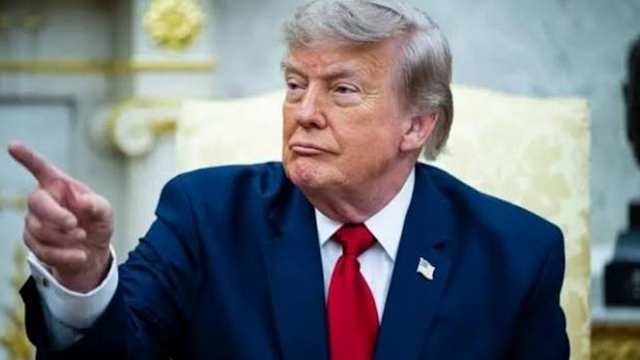
The United States has agreed to a two-week ceasefire with Iran, a move that may appear at first glance as a diplomatic success for President Donald Trump. However, analysts suggest the underlying reality is far more complex, with Washington paying a significant strategic and political price.
Earlier on Wednesday, Trump had warned of large-scale strikes on Iran’s energy and transport infrastructure if no agreement was reached by 8:00 PM. Yet, just about 90 minutes before the deadline, he reversed course and announced the ceasefire. Observers say this sequence—issuing a strong threat and then stepping back—has weakened the US position on the global stage.
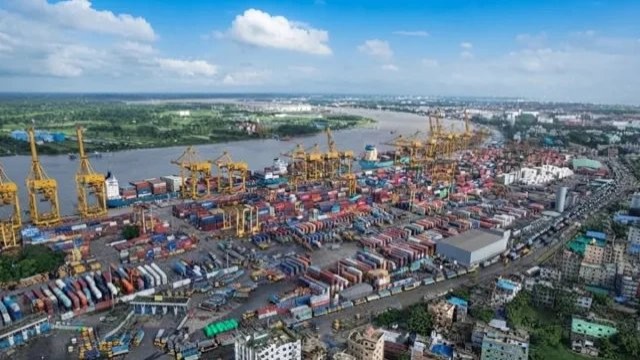
A central issue in the agreement is the Strait of Hormuz. While Iran has agreed to reopen the vital shipping route to commercial traffic, it has simultaneously asserted that its authority over the waterway remains intact. Iranian Foreign Minister Abbas Araghchi stated that maritime movement would require coordination with Iran’s armed forces, effectively reinforcing Tehran’s control over one of the world’s most critical energy corridors.
Iran’s reported 10-point proposal has also drawn attention. The demands include a withdrawal of US forces from the Middle East, the lifting of all economic sanctions on Iran, compensation for war damages, and formal recognition of Iran’s authority over the Strait of Hormuz. Araghchi has claimed that the US accepted the general framework of the proposal, a statement the Trump administration has not directly denied.
From a military standpoint, the US appears not to have achieved its primary objectives. The future of Iran’s enriched uranium stockpile remains uncertain, and Tehran’s influence over regional groups such as the Houthi movement continues. Despite Trump’s claims of success, Iran’s political system remains intact and its regional influence largely unchanged.
Domestically, Trump has also faced criticism over both the war and his rhetoric. His warning that “an entire civilization could be destroyed” sparked backlash not only from political opponents but also from members of his own party in Congress. Democrats have gone further, with some calling for his removal from office.
Globally, the implications may be even more significant. Once viewed as a guarantor of international stability, the United States is now seen by some as contributing to global instability. Analysts warn that such rhetoric and actions could permanently alter how other nations perceive Washington’s role in the world.
Although oil prices have eased slightly and stock markets have responded positively following the ceasefire, experts caution that the next two weeks of negotiations will be highly challenging. Iran’s extensive list of demands suggests that the true cost of the conflict may only become clear in the coming period.