From the outset, US intelligence agencies reportedly dismissed Israel’s expectations of triggering regime change in Iran as unrealistic—an assessment that ultimately proved accurate.
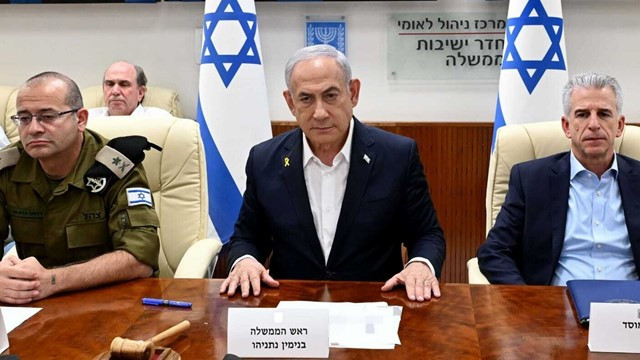
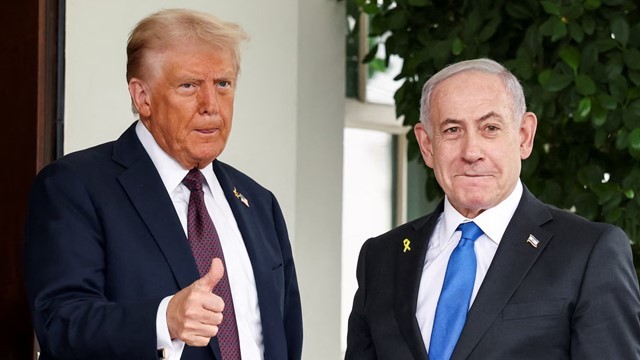
Israel had initially believed the war would last only days or weeks, but that calculation also proved wrong. Reports suggest that even two days before the ceasefire, Netanyahu had urged Donald Trump not to sign the agreement. However, Trump changed his position at the last moment, reaching a deal that effectively sidelined Israel from the final decision-making process.
Israel’s opposition leader Yair Lapid described the event as one of the greatest political failures in the country’s history in a post on X. “When decisions about our national security were being made, Israel was not even at the negotiating table,” he wrote. While praising the military and the public, he accused Netanyahu of political and strategic failure, warning that the damage caused by “ego and lack of planning” could take years to overcome.
Similarly, Yair Golan, leader of the left-leaning Democratic Party, called the ceasefire a “severe strategic failure.” He argued that Netanyahu’s promises of a historic victory had instead placed Israel’s long-term security at risk.
None of Netanyahu’s core war objectives—such as toppling Iran’s theocratic leadership, seizing its enriched uranium stockpile, or weakening the Iranian state—were achieved. On the contrary, Iran’s Islamic Revolutionary Guard Corps (IRGC) appears to have grown politically stronger after withstanding a month-long assault by two major military powers.
Following setbacks in Iran, Netanyahu is now attempting to project strength by continuing military operations in southern Lebanon. However, analysts warn that Israeli forces could face even greater challenges in ground combat against experienced groups like Hezbollah. Meanwhile, Israel’s global image has already been significantly damaged due to its actions in Gaza.
With national elections approaching, this outcome represents a major political blow for Netanyahu. For years, he framed Iran as an existential threat, yet that situation remains largely unchanged. Speculation is also growing that elements of Trump’s proposed plan may indirectly recognize Iran’s right to enrich uranium—bringing it closer to the framework of the Iran nuclear deal, an agreement Netanyahu had long opposed.
According to military analyst Amos Harel of Haaretz, Netanyahu’s plan was based on unrealistic assumptions and ignored expert advice. As a result, after Gaza and Lebanon, his promises of “total victory” in Iran now appear to have been little more than empty statements.
After more than a decade of political survival built around confronting Iran, Netanyahu now faces growing questions among the Israeli public about his future political relevance.