২৯ ভাদ্র ১৪৩৩



UK Declines to Send Warships Despite Trump’s Call for Joint Effort to Reopen Hormuz
16 March 2026 15:03 PM
NEWS DESK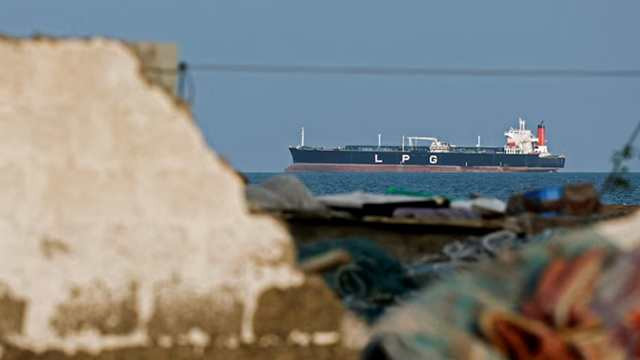
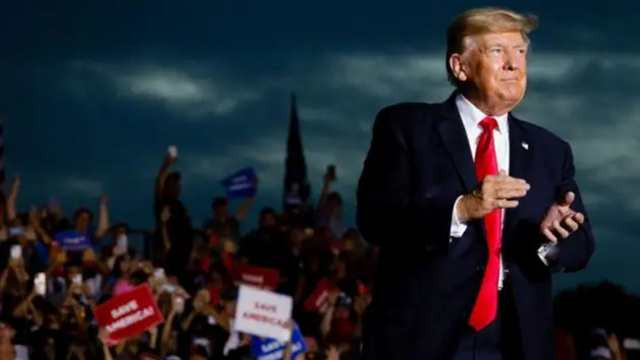
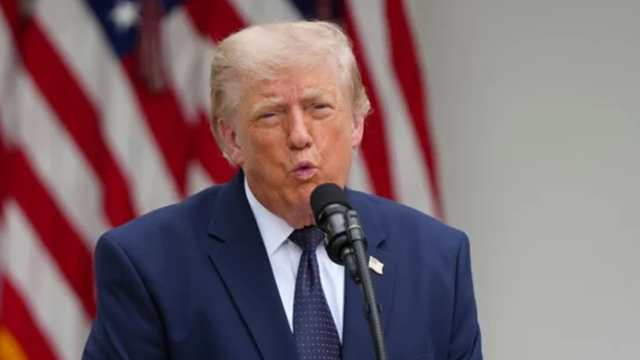
U.S. President Donald Trump has reportedly sought additional military assistance from allies to help reopen the Strait of Hormuz and prevent a worsening global economic crisis.
However, British Prime Minister Sir Keir Starmer has refused to send warships, signaling reluctance among key allies to support what Trump described as a “collective effort.”
According to a report by The Telegraph, Britain and several other allied countries are hesitant to respond to Trump’s call, raising concerns about further volatility in global financial markets when trading opens on Monday.
UK Energy Secretary Ed Miliband said the government is carefully considering what actions could be taken to help reopen the strategic waterway but declined to make any firm commitments.
Officials are reportedly discussing the possibility of deploying mine-detection drones. However, they are not currently prepared to send additional warships to help secure the crucial oil route, even though one British vessel is already deployed in the region.
Iran has warned that any country participating in operations against it in the strait would be regarded as an enemy. France, Germany, Japan, and South Korea have also signaled reluctance to respond to the U.S. president’s request, increasing international concern that the conflict could drag on indefinitely.
Oil prices surged after Trump ordered strikes on a key Iranian oil production facility over the weekend. Prices rose overnight from $103 per barrel on Friday to $106 as tensions escalated.
With Iran reportedly blocking oil exports through the Strait of Hormuz and energy prices rising, Starmer is expected to address the British public on Monday. He is likely to announce a £50 million emergency support package aimed at helping the families most affected by rising energy costs.
The assistance is expected to benefit around one million households that rely on heating oil, most of them located in rural areas of Northern Ireland.
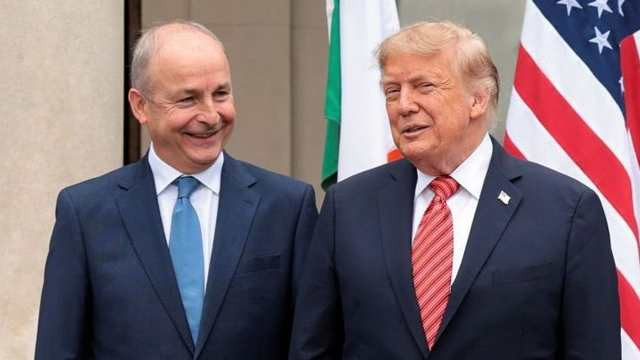
Starmer spoke with Trump by phone on Sunday night, during which they discussed the importance of reopening the Strait of Hormuz. Trump previously criticized Starmer for not supporting the initial strikes, reportedly mocking him as “not Churchill,” and the British refusal to send warships could further strain relations between the two leaders.
Trump is expected to announce a coalition of countries willing to help secure shipping through the strait later this week. However, several nations are reportedly unwilling to deploy vessels until the conflict ends.
Iran’s deputy foreign minister warned Britain on Sunday that Iran is not at war with the UK but said any British participation would be viewed as joining U.S. and Israeli aggression against Iran.
At the same time, Trump said he is not yet ready to discuss a ceasefire. Iran has also stated that it did not request a ceasefire and currently sees no reason to negotiate with the United States.
Israeli military officials have suggested that the fighting could continue for up to six weeks. Trump’s order to strike Kharg Island has triggered sharp volatility in global energy markets.
JPMorgan warned that the attack has escalated the conflict and could lead to severe supply shortages later this week. Analysts at Panmure Liberum predicted that Brent crude prices could reach $110 per barrel when markets open on Monday.
The International Energy Agency has announced plans to release 400 million barrels of oil from emergency reserves to stabilize supply.
Authorities in the UK have also warned that shortages may occur in medications dependent on petroleum-based components, including aspirin, paracetamol, ibuprofen, and several antibiotics.
France directly rejected Trump’s request on Sunday. The country’s armed forces minister stated that France’s position would remain defensive and protective, adding that it would not join a war led by the United States and Israel.
South Korea said it is closely monitoring the situation, while Germany has expressed skepticism about expanding the European Union’s naval mission to the Strait of Hormuz.